

Home / Environment / Pakistan's Glaciers Melting: Flood Risk Soars
Pakistan's Glaciers Melting: Flood Risk Soars
30 Mar
Summary
- Northern Pakistan faces increased flood risk from rapid snowmelt.
- Glacial lakes pose a danger to millions downstream.
- Pakistan loses nearly 1% of GDP annually to climate shocks.
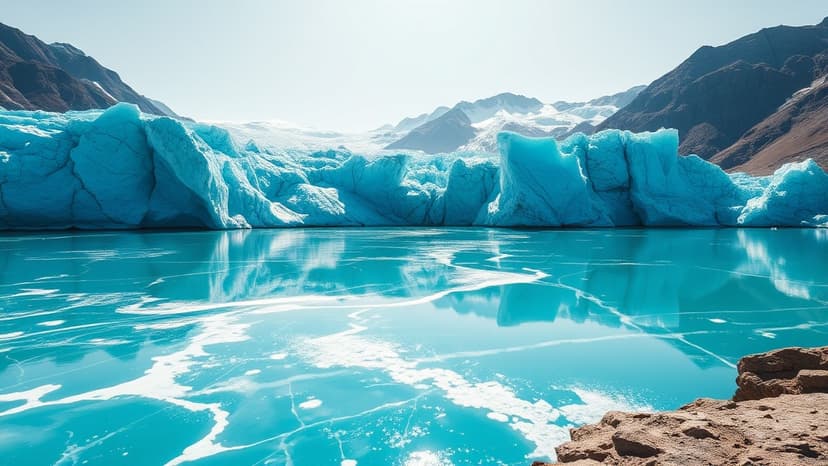
As of March 30, 2026, Pakistan's northern highlands are showing acute vulnerability to climate change, with unusually warm winter conditions recorded in Gilgit-Baltistan during February and early March. Temperatures have consistently been above normal, leading to accelerated snowmelt and glacier retreat. This phenomenon is heightening the danger of Glacial Lake Outburst Floods (Glofs) in regions including Gilgit, Ghizar, Hunza, and Astore.
Data from 2025 revealed over 3,044 glacial lakes in northern Pakistan, with 33 deemed highly dangerous, posing a threat to an estimated 7.1 million people downstream. Projections indicate persistent above-normal temperatures through April 2026, maintaining an elevated risk of sudden floods in vulnerable areas like Hunza and Astore.
Pakistan's broader climate trajectory shows intensifying extremes, with 2024 ranking as the ninth-hottest year on record and the seventh-wettest since 1961. This volatility leads to crop losses estimated at 30-40% and erodes food security, forcing farmers to abandon traditional practices as water cycles become erratic.
The nation is incurring significant financial losses, with climate shocks costing nearly 1% of GDP annually. Initiatives like the Glof-II project and the development of a national Glacier Conservation Strategy are underway, alongside a time-bound action plan for monsoon preparedness and resilient infrastructure development. The government aims to mobilize substantial international and private capital through programs like the "Glaciers to Farms" initiative and the Resilient Water Infrastructure Facility.
