Home / Environment / P-22: LA's Celebrity Cougar Dies, Inspires Wildlife Crossing
P-22: LA's Celebrity Cougar Dies, Inspires Wildlife Crossing
15 Oct
Summary
- A famous mountain lion, P-22, died after crossing busy freeways to live in Griffith Park.
- P-22's story highlighted habitat loss and fragmented environments for big cats globally.
- His plight inspired the Wallis Annenberg Wildlife Crossing, a major wildlife overpass.
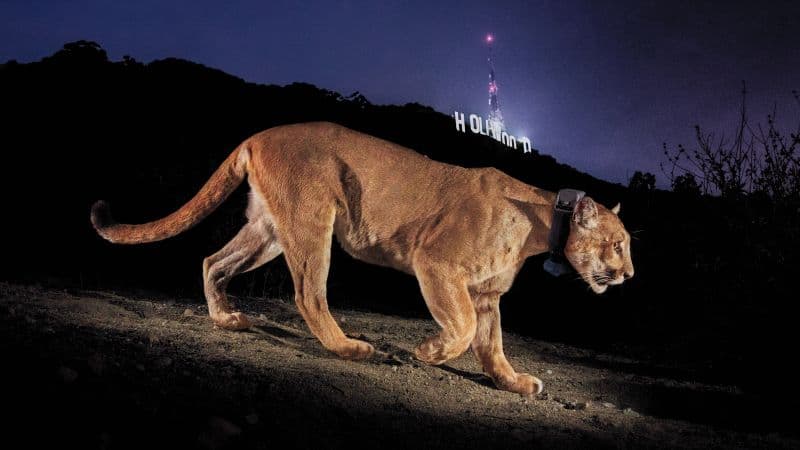
The story of P-22, a celebrated California mountain lion, captured the hearts of many in Los Angeles. This solitary feline famously traversed two major freeways to establish a home within Griffith Park, a popular urban oasis. His unique presence, often captured by remote cameras beneath the Hollywood sign, made him a celebrity in a city known for stars.
P-22's life within a 6.7-square-mile range, which included ventures into densely populated areas, ultimately contributed to his decline. Severe injuries from a collision and illness led to his euthanasia in 2022. His struggle underscored a larger crisis: big cats are losing vast amounts of their natural habitat, with some experiencing over 90% range reduction.
This dire situation, characterized by fragmented lands and impassable roads, inspired a significant conservation effort. The Wallis Annenberg Wildlife Crossing, the world's largest wildlife overpass, is being constructed across the 10-lane Highway 101 in greater Los Angeles. Set to open on December 2, this 165-foot-wide structure aims to allow wildlife safe passage over the busy highway, connecting the Santa Monica Mountains and Sierra Madre Range.
Beyond P-22's immediate impact, wildlife photojournalist Steve Winter and environmental journalist Sharon Guynup's work, including their book "Big Cats," aims to drive tangible conservation outcomes. Their efforts have historically exposed illegal wildlife trade in Thailand and challenged negative perceptions of jaguars in Brazil, demonstrating how compelling storytelling can lead to legislative changes and vital conservation initiatives.
In Brazil's Pantanal, Winter and biologist Sandra Cavalcanti's research shifted perspectives on jaguars from threats to valuable assets, promoting ecotourism and increasing jaguar populations. Similarly, their investigation into the Tiger Temple in Thailand led to the confiscation of tigers and the temple's closure due to illegal wildlife trafficking suspicions.
Their extensive investigation into big cat exploitation in the U.S., which revealed more captive tigers than in the wild in Asia, directly contributed to the passage of the Big Cat Public Safety Act in 2022. This legislation bans private ownership, breeding, and sale of big cats, except for accredited institutions, safeguarding these animals and their ecosystems.


