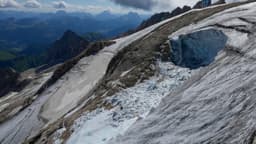
Home / Environment / Olympics Drains Rivers, Fells Forests for Snow
Olympics Drains Rivers, Fells Forests for Snow
22 Feb
Summary
- Rivers were drained and forests felled for Olympic snow and tracks.
- Organizers claim sustainability, but reality shows environmental damage.
- Artificial snow relies on vast water resources, impacting local rivers.
The 2026 Milano Cortina Winter Olympics face severe criticism for their environmental practices, starkly contrasting with the sustainability touted in their bid. Ancient forests, like the Bosco di Ronco, have been cleared for facilities, and local rivers are being drained to produce artificial snow.
Organizers emphasize low-carbon transport and recyclable materials, yet fail to disclose that many existing venues required demolition and rebuilding. For instance, new snowparks and ski jumps were constructed, and a bobsleigh track necessitated the destruction of a unique forest.
Climate change exacerbates these issues, with rising February temperatures and reduced natural snowfall forcing the creation of four high-altitude reservoirs. These reservoirs are filled with water extracted from rivers already suffering from drought, leading to ecological damage and fish deaths.
Furthermore, a significant portion of the Games' construction budget is allocated to infrastructure projects not essential for the Olympics and delayed until after the event. Environmental organizations, including WWF Italia, have withdrawn from discussions, deeming the sustainability claims mere window dressing.
Experts like Professor Carmen de Jong point out the alarming use of water, with derogations allowing triple the permitted quantities from rivers like the Spöl and Boite, almost drying them up. This reliance on artificial snow highlights critical water scarcity in the era of climate change.