Home / Environment / Oklahoma Residents Fight for Drying Lake Amidst Political Influence
Oklahoma Residents Fight for Drying Lake Amidst Political Influence
29 Jul
Summary
- Dams on tributaries have caused historically low groundwater levels.
- Residents' pleas to the state water board have been ignored for over a year.
- A well-connected political family is linked to the dam owners.
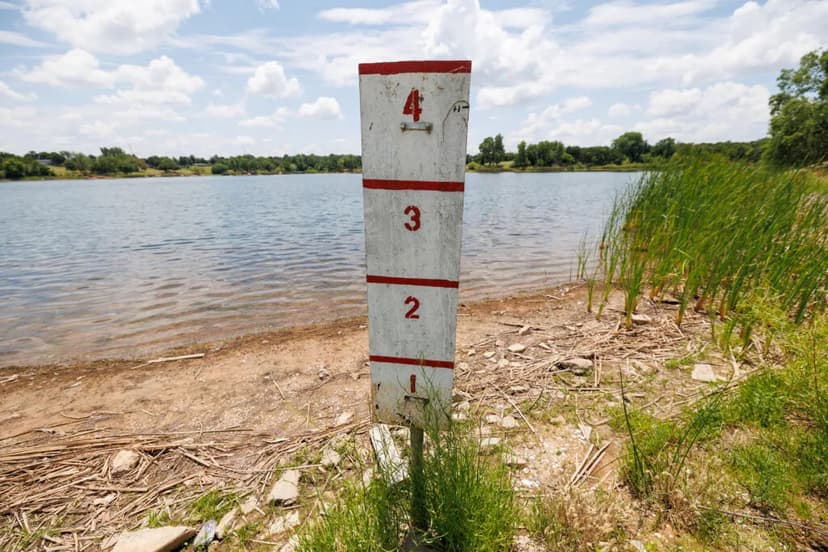
Cedar Lake, a community cherished by generations for holidays and gatherings, is experiencing a severe water crisis. Historically low groundwater levels and drying wells have become the norm, with residents pointing to two dams erected on tributaries feeding the lake as the primary cause. These structures, built in 2005 and 2019, are reportedly capturing runoff from nearly 40% of the watershed, impounding water that would normally replenish the lake and its aquifer.
Despite filing a complaint over a year ago, the Oklahoma Water Resources Board has been criticized for a lack of action. Emails reveal the agency discussed the issue internally for months, granting extensions to the dam owners' representatives. The situation escalated when the board proposed allowing the dams to continue holding water while permits were processed, outraging residents who attended a public meeting to voice their opposition.
Residents suspect the board's reluctance to enforce dam removal stems from the property's connection to V. Glenn Coffee, a former state senator and influential figure. While Coffee has stated his family hired engineers and an attorney upon learning of the complaints, his attorney has not commented on the ongoing situation. Hydrologists confirm the dams' significant impact, discounting drought as the sole factor and highlighting the direct correlation between dam construction and the community's water issues.
The agency has proposed solutions like establishing a rural water district or linking the community to existing water systems, but these are not considered quick fixes. Legal experts suggest a lawsuit is a potential remedy for affected property owners, but many residents lack the financial means for such action. The community has raised funds to support their legal efforts before the state board, while their quality of life continues to diminish with sunken docks and unusable water wells.


