


Home / Environment / Ocean Heat Fuels Supercharged Storms
Ocean Heat Fuels Supercharged Storms
11 Apr
Summary
- Marine heat waves intensify tropical cyclones, causing 60% more billion-dollar disasters.
- Warm ocean water acts as fuel, increasing rapid intensification of storms.
- Future storms pose greater risks and costs due to climate change and hotter oceans.
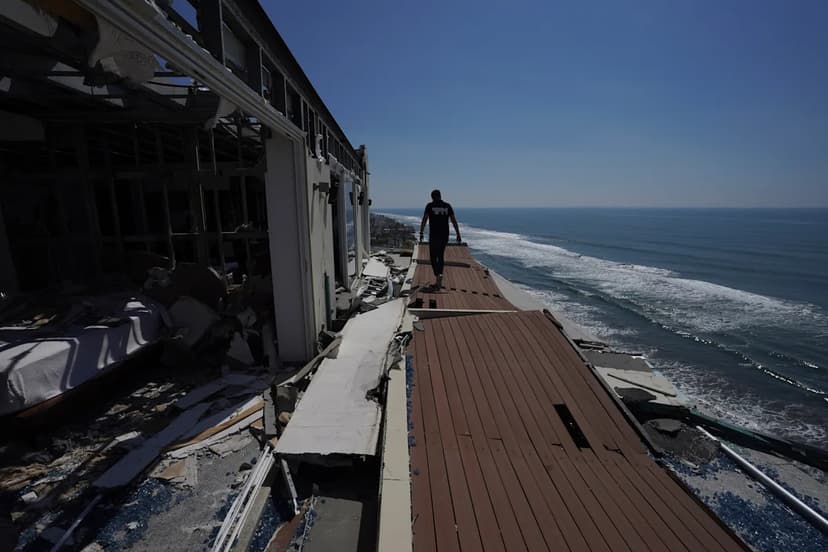
Marine heat waves are supercharging tropical cyclones worldwide, according to recent research.
Since 1981, tropical cyclones encountering marine heat waves have been more prone to rapid intensification. This phenomenon has resulted in a 60% surge in disasters causing at least $1 billion in damage when these storms make landfall. These findings underscore the growing threat posed by warming oceans.
Marine heat waves, defined as prolonged periods of unusually hot ocean surface temperatures, are becoming more frequent due to climate change. This warm water acts as critical fuel for tropical cyclones. Experts note that these heat waves are occurring closer to land and with greater frequency, signaling increased potential for extreme damage.
Past events like Hurricane Otis in October 2023, which rapidly intensified and caused extensive damage in Mexico, exemplify this threat. Researchers indicate that future coastal environments will face greater challenges from more frequent rapid intensification events and increased marine heat waves, leading to higher costs and more frequent billion-dollar disasters over the next four decades.
