Home / Environment / Fur Trade Gone Wrong: Possums Devastate NZ Ecosystems
Fur Trade Gone Wrong: Possums Devastate NZ Ecosystems
16 Jul
Summary
- Introduced for fur trade, possums are now a major invasive threat.
- They damage native forests and compete with native birds for resources.
- Control efforts aim to protect biodiversity and the agricultural sector.
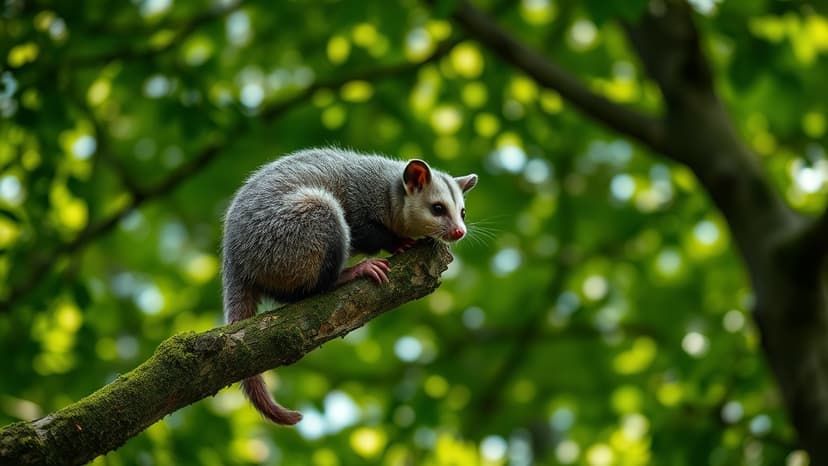
The Australian brushtail possum, introduced to New Zealand in the mid-19th century for a planned fur industry, has become a significant ecological problem. Initially released from 1837 onwards, possums proliferated rapidly due to the absence of natural predators, unlike in their native Australia. They are now considered one of New Zealand's most damaging invasive mammals.
The unchecked spread of possums has severely impacted native forests, which evolved without significant browsing mammals, making them vulnerable. Conservation authorities report that these marsupials compete with native birds for food and nesting sites, and also prey on eggs and chicks, exacerbating threats to already endangered species.
Beyond biodiversity concerns, possum control is crucial for managing bovine tuberculosis (TB), a disease detrimental to cattle and deer farming. This dual objective of environmental and agricultural protection drives substantial government investment in pest management. Possums are a primary target of the "Predator Free 2050" initiative, alongside rats and stoats.
Media coverage often frames possum control as a 'war' or a "collective national challenge," influencing public perception towards viewing eradication as necessary and socially desirable. This narrative emphasizes protecting landscapes, wildlife, and the economy, sometimes employing metaphors of competitive sport.


