Home / Environment / Nylon Nets Linked to Alarming Microplastic Pollution in Fish Farms
Nylon Nets Linked to Alarming Microplastic Pollution in Fish Farms
9 Oct, 2025
Summary
- Nylon nets release 5 times more microplastics than polyethylene alternatives
- Recycled and used materials emit more microplastics than new materials
- SINTEF Ocean develops tools to help fish farms control microplastic emissions
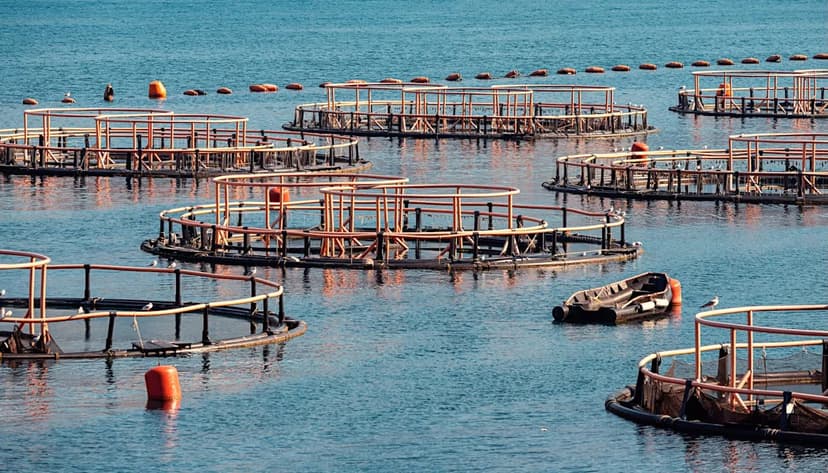
As of October 9th, 2025, a concerning study has revealed that the choice of fishing net material in aquaculture can significantly impact microplastic pollution. According to the research conducted by the Norwegian institute SINTEF Ocean, nylon nets are found to release five times more microplastics compared to high-density polyethylene or ultra-high-molecular-weight polyethylene nets.
The study also discovered that recycled and used materials tend to emit more microplastics than new materials. This is particularly alarming as the fishing industry has been increasingly relying on recycled gear to reduce waste.
In response to these findings, the SINTEF Ocean team has developed important tools that can be used by fish farms to monitor and control their microplastic emissions. "The project has tested and developed important tools that can be used and further developed to control and reduce emissions of microplastics," stated Andy Booth, the project manager.
Microplastics pose a significant threat to both human and environmental health. They can enter the food chain when animals ingest them, and exposure may lead to reproductive issues, DNA damage, and even cancer. Microplastics also contribute to the growing problem of plastic pollution, which is known to have devastating effects on wildlife and ecosystems.


