Home / Environment / To Use a Mountain: Exposing Nuclear Shame
To Use a Mountain: Exposing Nuclear Shame
25 Aug
Summary
- A documentary highlights government plans for rural nuclear waste disposal.
- Nevada's Yucca Mountain was chosen but its project was halted.
- Affected communities face environmental and racial justice issues.
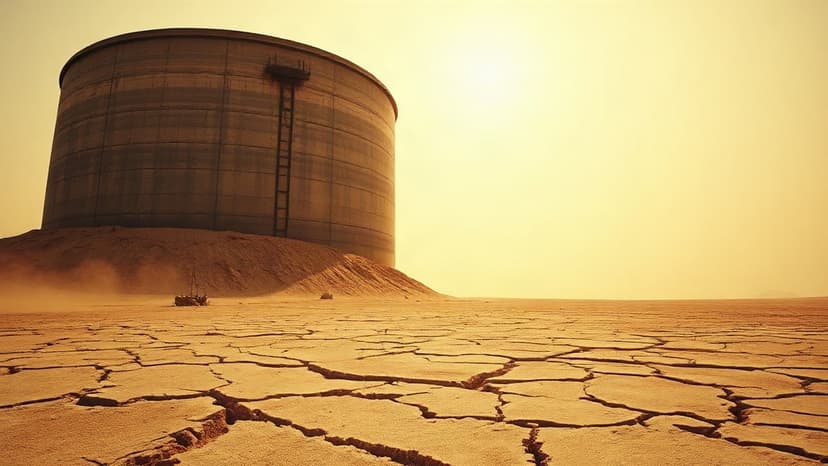
The documentary "To Use a Mountain" critically examines the US government's efforts to designate rural communities as sites for nuclear waste disposal. The film, directed by Casey Carter, uses artistic and impressionistic methods to explore the human and environmental toll of this policy.
Initially conceived as a clean energy solution, nuclear power generated vast amounts of toxic waste, leading to legislation like the 1982 Nuclear Waste Policy Act. This act placed six rural communities in a competition to host over 90,000 tons of high-level nuclear waste, a plan with a projected isolation period of 10,000 years.
Nevada's Yucca Mountain was eventually selected but faced significant opposition from activists and politicians, leading to its project being halted. This has left the US without a permanent nuclear waste repository, while the government continues to pay billions to utility companies for spent fuel storage.
Carter's film emphasizes the utilitarian lens through which the Department of Energy viewed these communities, often targeting sparsely populated areas with marginalized populations. Advocates for the Western Shoshone tribe argue that the Yucca Mountain designation violated treaty obligations and ignored seismic risks.
The documentary traces resistance efforts, including those of Ian Zabarte, a Shoshone leader fighting for tribal lands. It highlights the historical and ongoing environmental violence and racism experienced by these communities, showing that the anger over such treatment is widespread in rural America.
"To Use a Mountain" delves into the complex, sprawling consequences of nuclear waste, connecting military history, environmental impacts, and human psychology. The film underscores how unresolved nuclear issues tie into broader existential threats facing humanity.


