Home / Environment / Norwich Tackles Pigeon Plague: Hawk and Contraceptives Considered
Norwich Tackles Pigeon Plague: Hawk and Contraceptives Considered
17 Feb
Summary
- Norwich council considers hawk and oral contraceptives for pigeon population.
- Activists argue pigeons are misunderstood and need human assistance.
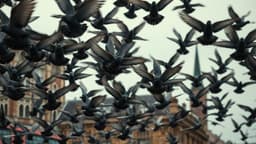
- Pigeon population has grown to 300, causing complaints from traders.
Norwich market faces a growing challenge with its pigeon population, which has swelled to approximately 300 birds, causing significant concern among shoppers and traders.
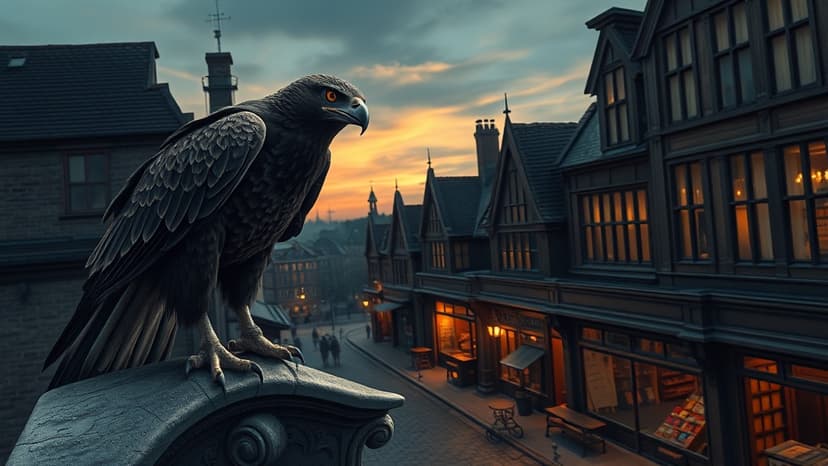
City officials have considered drastic measures, such as deploying a hawk to deter the birds and an unapproved plan for oral contraceptives. Councillor Carli Harper has accused some individuals of exacerbating the issue by providing excessive amounts of bird feed, prompting the council to explore legal avenues to address the situation.
Pigeon advocates, like Jenny Coupland of Peck Savers, argue that these birds are misunderstood and rely on human care, including assistance with injuries and veterinary needs. They contend that current management proposals could lead to significant suffering for the birds.
Expert Will Smith notes that while pigeon populations can grow rapidly, feral pigeons are dependent on urban environments. He suggests that managing their numbers requires careful consideration to avoid causing undue distress, with gradual food reduction being an ethical approach.
Activists propose building a dovecote in Chapelfield Gardens as a humane solution to draw birds away from the market and facilitate population control through egg replacement with dummies. This proposal has garnered thousands of signatures but has faced skepticism from the council regarding its cost-effectiveness compared to other initiatives.
Despite ongoing debate, the council maintains it is pursuing humane and legal methods for pigeon management, emphasizing their commitment to supporting market traders while not being anti-pigeon. The issue highlights a broader global challenge of urban wildlife management and differing perspectives on coexistence.