
Home / Environment / Norway Fjords Choked by Fish Farm Waste
Norway Fjords Choked by Fish Farm Waste
6 May
Summary
- Fish farms release three times more waste than Norway's population.
- Waste contains nitrogen and phosphorus, creating oxygen-depleted dead zones.
- Norway is the world's largest farmed salmon producer and exporter.
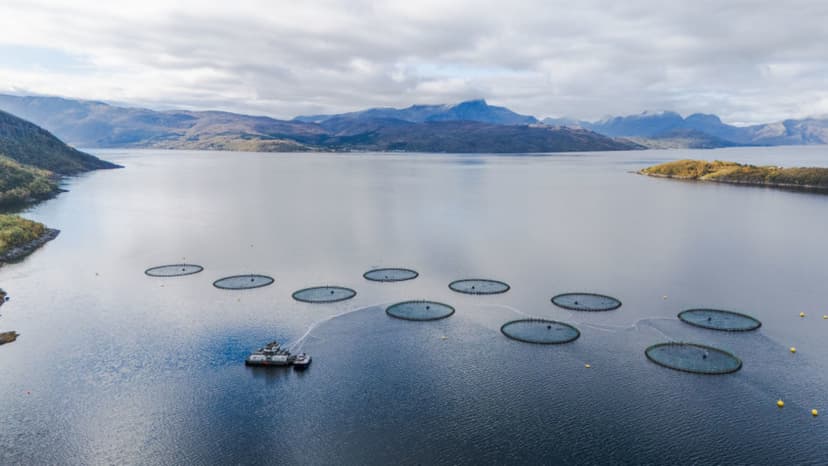
Fish farms in Norway are releasing waste into fjords at rates three times that of the nation's human population, according to recent research from the Sunstone Institute. The discharge, primarily nitrogen and phosphorus from fish excrement and uneaten feed, has significant environmental repercussions.
These excess nutrients trigger algal blooms that consume oxygen when they decompose, leading to "dead zones" where marine life cannot survive. Uneaten feed also attracts wild fish, exposing them to degraded conditions and higher nutrient levels. This occurs despite Norway's high global ranking for environmental performance.
Norwegian authorities have yet to respond to the findings. The seafood industry, a cornerstone of Norway's economy and the world's largest producer of farmed salmon, asserts its operations are within ecological limits and deny documented damage to fjords.
The industry is economically vital, with substantial exports of salmon worldwide. Profits are concentrated among major companies, highlighting the economic stakes involved.
