Home / Environment / North Sea Warms: Octopus and Squid Thrive
North Sea Warms: Octopus and Squid Thrive
22 Aug
Summary
- Rising sea temperatures drive cephalopod increase in the North Sea.
- Squid stocks have nearly tripled in the North Sea over 40 years.
- Warmer waters also pressure cold-loving fish like cod.
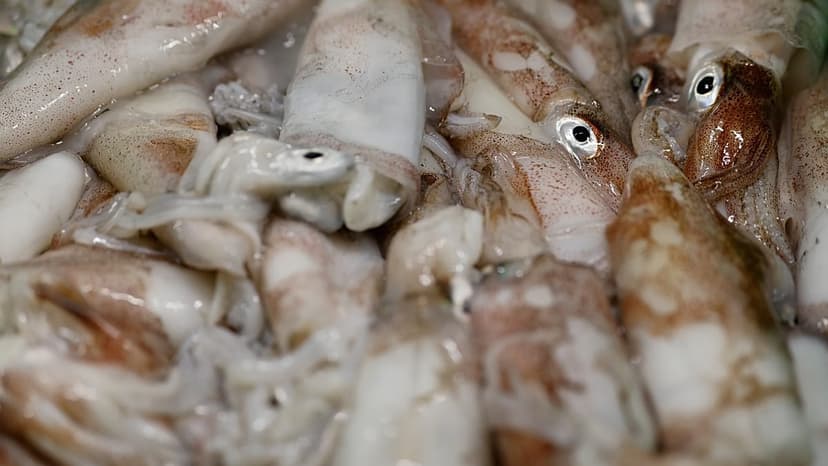
The North Sea is undergoing a notable ecological transformation, with cephalopods like squid and octopus appearing in increasing numbers. This trend is strongly associated with rising sea temperatures, which favor species with shorter life cycles that can adapt rapidly to environmental changes. Several cephalopod species, once rare visitors, are now permanently inhabiting and reproducing in the North Sea.
The Federal Maritime and Hydrographic Agency reported 2025 as the warmest year since measurements began in 1969, with surface temperatures exceeding the long-term average. This warming trend is altering marine ecosystems, impacting cold-loving species such as cod, which are shifting their distribution areas. The growing cephalopod populations also affect the food web as voracious predators of fish like herring and sprat.
Fishermen are observing a rise in octopus sightings and catches, particularly in the southern North Sea. This shift has opened new business opportunities, as squid landings in the North Sea have nearly tripled over approximately 40 years, reaching up to 3,000 tonnes annually. However, fishing for cephalopods currently lacks the same regulatory framework as traditional fish species.
Researchers are actively developing sustainable management options for cephalopod fisheries. These could include adjustable catch limits, seasonal closures, and protected spawning areas. Greater data on stock levels and fishing impacts is crucial for effective regulation, as precise spawning grounds remain not fully identified.


