
Home / Environment / Ditch the mower: UK gardens bloom for bees
Ditch the mower: UK gardens bloom for bees
30 Apr
Summary
- Two-thirds of adults believe gardens aid wildlife.
- Younger adults join 'No Mow May' if neighbours participate.
- UK gardens make up a significant land proportion.
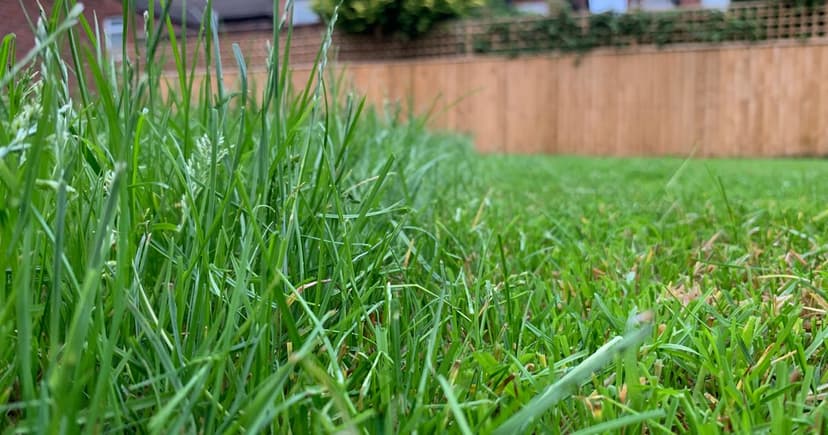
The 'No Mow May' campaign is gaining momentum across the UK, urging gardeners to keep their mowers idle for the month of May. This initiative, spearheaded by the wildlife charity Plantlife, aims to foster a surge in natural growth, allowing essential grasses and wildflowers to thrive.
This year, the movement sees increased participation, with analysis from previous years revealing a significant number of first-time participants. A recent poll indicates that two-thirds of adults recognize the potential of their gardens to positively impact local wildlife populations.
Social influence plays a key role, particularly among younger demographics, with a majority stating they are more likely to join if their neighbors participate. Plantlife emphasizes that community action can translate belief into tangible environmental change, countering pressures for manicured lawns.
Historically, areas like Tunbridge Wells and Brighton have shown strong engagement with the campaign. The initiative addresses the critical loss of wildflower meadows, with certain native plants now facing near-threatened status in England. Plantlife also suggests less frequent mowing throughout the summer post-May.
With over 25 million gardens in the UK representing a substantial land area, Plantlife advocates for managing these spaces for ecological benefit. Even partial unmown areas can boost biodiversity, creating microhabitats and supporting nectar production for various species. For those without traditional gardens, balconies and patios can also be transformed into small wildlife havens.
