Home / Environment / Nilgai: India's Antelope Becomes Texas Invasive Species
Nilgai: India's Antelope Becomes Texas Invasive Species
14 Aug
Summary
- Nilgai, introduced to Texas nearly a century ago, have established feral populations.
- These non-native antelopes can host disease-carrying ticks affecting cattle.
- Habitat loss and lack of predators contribute to nilgai issues in India.
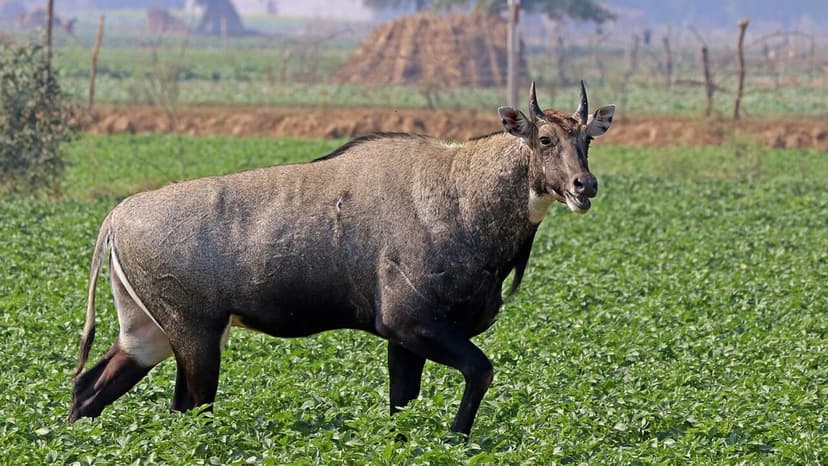
The nilgai, native to the Indian subcontinent, has become an ecological concern in Texas, where it was introduced approximately a century ago. These large antelopes have established feral populations, thriving in the Texas climate and grassland environment. The absence of natural predators in their introduced habitat allows their numbers to grow unchecked.
Nilgai's movements and ability to host ticks carrying cattle pathogens create difficulties for livestock producers. While considered native to India, habitat loss and agricultural expansion can push nilgai into farmland, causing crop damage and human-wildlife conflict. This situation highlights the broader issue of invasive species and the disruption caused by relocating wildlife beyond its natural range.
Concerns also extend to disease transmission between wildlife and livestock, which can work in both directions. The nilgai's journey serves as a reminder of the unintended consequences that can arise from introducing exotic species into new environments, impacting ecosystems and local economies.


