Home / Environment / Nigeria's $20 Billion Wildlife Black Market Exposed
Nigeria's $20 Billion Wildlife Black Market Exposed
10 Mar
Summary
- The illegal wildlife trade generates at least $20 billion annually worldwide.
- Nigeria is a major hub for trafficking pangolin scales and exotic pets.
- A special wildlife office was created in Nigeria to combat trafficking.
The global illicit trade in wildlife products and live animals constitutes a criminal enterprise generating at least $20 billion annually. Nigeria has emerged as a significant hub for this trafficking. This includes large-scale seizures of pangolin scales, with one interception involving 196 bags, potentially representing 38,000 pangolins.
Historically, demand for wildlife products has been fueled by perceived medicinal properties. Nigeria Customs Service has ramped up efforts, creating a dedicated Special Wildlife Office in recent years to combat the growing problem. This office works with international law enforcement to track smuggling routes.
Bushmeat consumption has also increased, straining wildlife populations. Beyond trafficking, habitat destruction, such as that caused by expanding palm oil production, exacerbates threats to endangered species. Conservation efforts are underway, including rehabilitation centers for rescued animals.
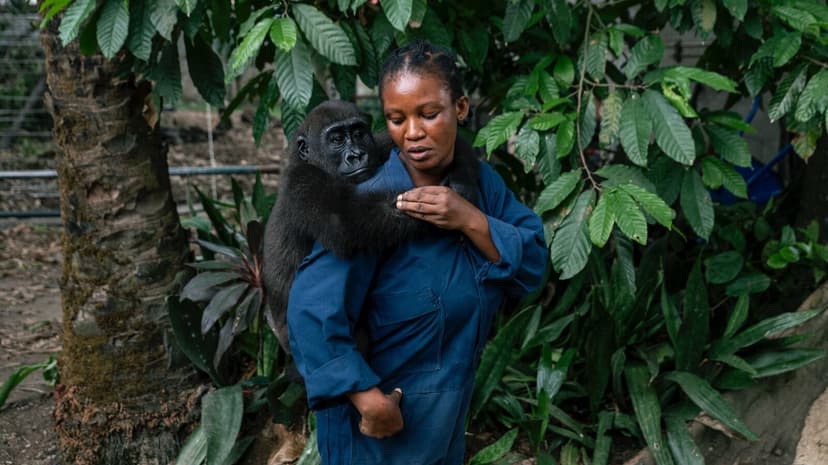
Animals like African gray parrots are heavily trafficked as exotic pets. Trafficking operations are often facilitated by corrupt officials. Rescued animals, including primates and a young gorilla named Bili, are being cared for with plans for their transfer to sanctuaries.