Home / Environment / Nigeria's Lead Crisis: Factories Shut Down Amid Health Fears
Nigeria's Lead Crisis: Factories Shut Down Amid Health Fears
18 Dec
Summary
- Nigerian government is cataloging health and environmental damage from lead factories.
- Lead poisoning crisis linked to car batteries affects 70% of volunteers tested.
- Government action follows exposé on unsafe lead recycling practices.
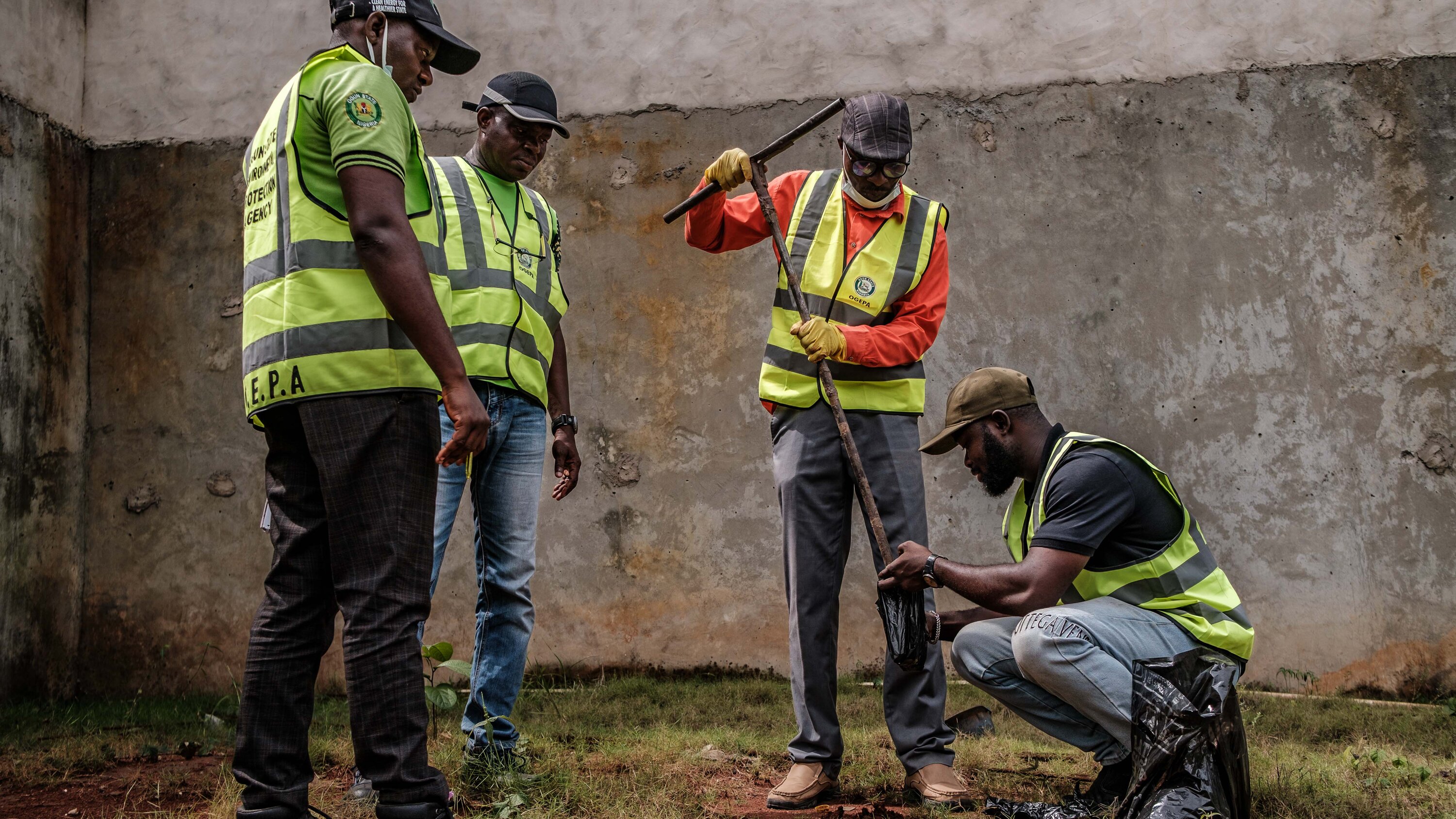
Nigeria has initiated a significant crackdown on factories involved in lead recycling, focusing on the health and environmental toll exacted by their operations. A government-led scientific team is now testing soil and air in Ogijo for lead contamination, a move described as one of the most aggressive public health responses in the nation's history. This decisive action comes after an investigative report exposed severe lead poisoning issues, particularly affecting children, linked to recycled lead destined for car batteries manufactured for the global market.
The investigation revealed that towns like Ogijo have become central to Africa's lead recycling industry, with local blood tests showing alarmingly high rates of lead poisoning among residents. In response, authorities have shut down numerous recycling facilities. While some factories deny wrongdoing, the Nigerian Senate has proposed measures to aid affected populations, including financial assistance for relocation and the creation of a task force for cleanup and medical aid.
This situation highlights a broader issue of the auto industry's role in international lead recycling, with companies previously resisting efforts to implement cleaner technologies and safer working conditions. The Nigerian government's intervention, spurred by public outcry and media coverage, aims to hold accountable those responsible and mitigate the long-term health and environmental consequences. The hope is that this pressure will lead to improved industry standards and greater corporate responsibility in the future.