Home / Environment / Niger Delta: Oil Burn Creates Toxic Hellscape
Niger Delta: Oil Burn Creates Toxic Hellscape
6 Jul
Summary
- Persistent coughs and breathing issues plague communities near Ororo-1 oil well.
- Fishing livelihoods collapse due to oil contamination and reduced catches.
- Residents endure years of toxic fumes without adequate health assessments.
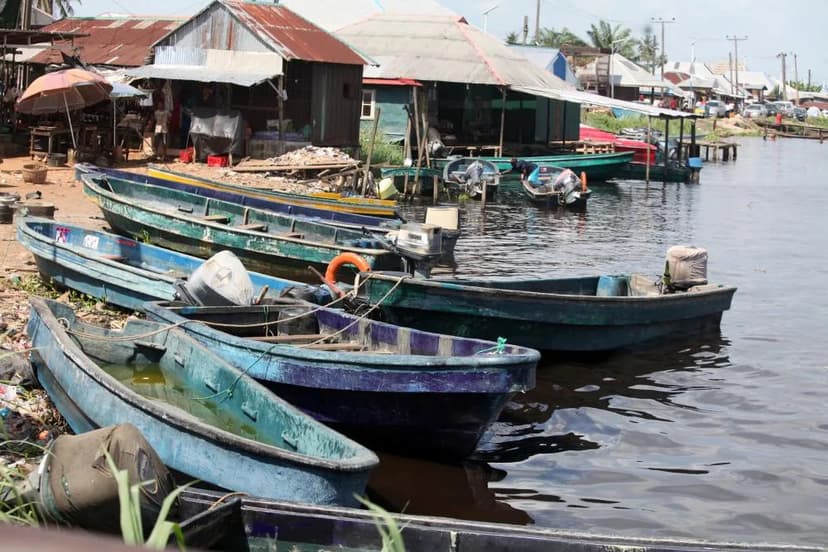
For six years, the coastal community of Awoye in Nigeria's Niger Delta has endured the devastating effects of the Ororo-1 oil well blowout, which ignited in April 2020. Residents, like Bodunwa Orugbemi, are experiencing severe health issues including persistent coughs, breathing difficulties, and skin irritation, directly linked to the continuous burning of the well. This environmental disaster has also crippled local economies, particularly the fishing industry, as oil contamination spoils catches and pollutes fishing grounds.
Despite the clear health and economic impacts, affected communities have not received comprehensive public health assessments from government agencies. Experts warn that prolonged exposure to hazardous pollutants released by the burning crude oil, such as benzene and sulphur dioxide, can lead to serious health problems including cancers and respiratory diseases. The lack of adequate monitoring and healthcare access exacerbates the suffering of residents who feel neglected by authorities.
The Ororo-1 well, initially drilled by Chevron, continued operations under indigenous firms Owena Oil and Gas and Guarantee Petroleum until the blowout. Environmental campaigners highlight this as a symptom of systemic failures in Nigeria's environmental governance, where communities bear the health burden of oil exploration while regulators remain largely absent. Families are forced to rely on limited local healthcare, and incomes from fishing have plummeted, deepening poverty.


