Home / Environment / NGT Faces Conflict of Interest: Former Officials Judge Own Decisions
NGT Faces Conflict of Interest: Former Officials Judge Own Decisions
26 Feb
Summary
- Many NGT expert members previously approved green clearances they now review.
- NGT operates at half its required minimum strength, impacting its function.
- Recent appointments show a trend of former government officials joining NGT.
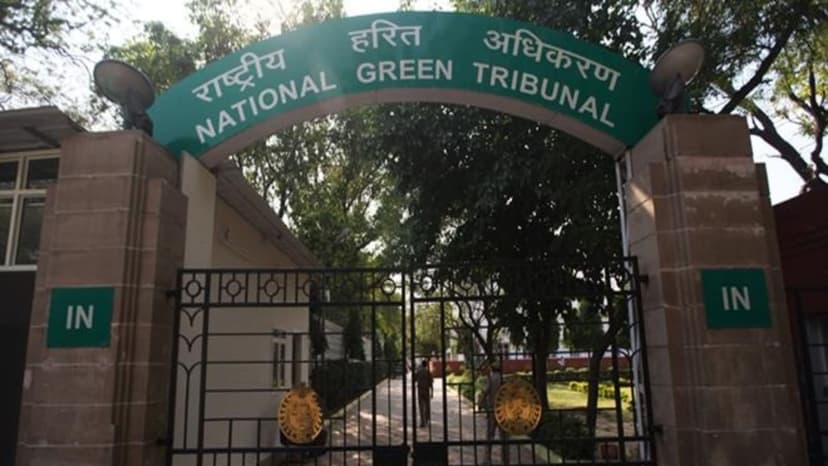
The National Green Tribunal (NGT) is facing scrutiny over potential conflicts of interest among its members. The NGT Act mandates 10-20 full-time judicial and 10-20 full-time expert members, but the tribunal currently operates with only four judicial and six expert members, significantly below its minimum requirement. This reduced capacity is compounded by the composition of its expert members.
Since 2016, a notable increase in former government officials, particularly from the Indian Forest Service, has occurred among the NGT's expert appointees. Many of these individuals were previously involved in granting environmental and forest clearances at the government's highest levels. This creates an apparent conflict as they now sit in appellate jurisdiction over decisions they may have influenced.
Prior to 2016, the proportion of expert members with prior involvement in the green clearance process was significantly lower. This shift raises questions of propriety, as members have been adjudicating appeals against government decisions, including project clearances, even when they were part of the original decision-making bodies.
Legal experts have voiced concerns, arguing that appointing former government officials who were part of the decision-making process constitutes a clear conflict of interest and potentially violates principles of natural justice. Suggestions include drawing experts from civil society to ensure impartiality. The process for appointing NGT members has also evolved, with recent reforms altering the composition of the selection committee.