feedzop-word-mark-logo
searchLogin
Feedzop
homeFor YouIndiaIndia
You
bookmarksYour BookmarkshashtagYour Topics
Trending
Terms of UsePrivacy PolicyAboutJobsPartner With Us

© 2026 Advergame Technologies Pvt. Ltd. ("ATPL"). Gamezop ® & Quizzop ® are registered trademarks of ATPL.

Gamezop is a plug-and-play gaming platform that any app or website can integrate to bring casual gaming for its users. Gamezop also operates Quizzop, a quizzing platform, that digital products can add as a trivia section.

Over 5,000 products from more than 70 countries have integrated Gamezop and Quizzop. These include Amazon, Samsung Internet, Snap, Tata Play, AccuWeather, Paytm, Gulf News, and Branch.

Games and trivia increase user engagement significantly within all kinds of apps and websites, besides opening a new stream of advertising revenue. Gamezop and Quizzop take 30 minutes to integrate and can be used for free: both by the products integrating them and end users

Increase ad revenue and engagement on your app / website with games, quizzes, astrology, and cricket content. Visit: business.gamezop.com

Property Code: 5571

Home / Environment / New Zealand's Oceans Rapidly Warming, Acidifying, and Rising

New Zealand's Oceans Rapidly Warming, Acidifying, and Rising

8 Oct, 2025

•

Summary

  • Oceans around New Zealand warming 34% faster than global average
  • Sea levels rising, threatening thousands of coastal homes
  • Marine heatwaves becoming more frequent, intense, and longer-lasting
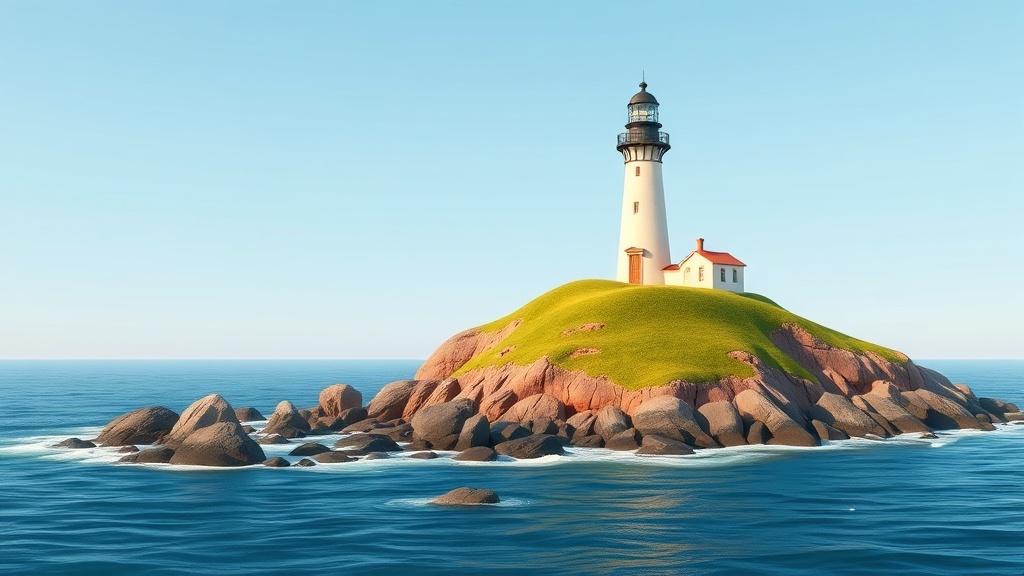
New Zealand's Oceans Rapidly Warming, Acidifying, and Rising

According to a report released on October 8th, 2025, the oceans surrounding New Zealand are undergoing significant changes due to the impacts of climate change. The study, conducted by the government, found that the seas around the island nation are warming 34% faster than the global average.

This rapid warming is driving other concerning trends, including accelerating sea-level rise that is already threatening thousands of coastal homes. Marine heatwaves are also becoming more frequent, intense, and longer-lasting, putting pressure on New Zealand's native marine species.

The report links these changes to disruptions in the vast oceanic currents that flow between New Zealand and Antarctica. Researchers say the country's proximity to these currents, as well as shifts in atmospheric circulation, are key factors behind the disproportionate warming of the surrounding waters.

trending

Vedanta demerger gets final nod

trending

Kohli nears Tendulkar's record

trending

POCO M8 5G launch

trending

Chennai weather: heavy rain alert

trending

Rishabh Pant ruled out

trending

India vs New Zealand ODI

trending

Chelsea beats Charlton 5-1

trending

Nigeria beats Algeria in AFCON

trending

Siraj gets batting tips

The findings have prompted calls for a change in how New Zealand manages its marine environment. Experts warn that delaying action risks further harm to the country's vulnerable coastal ecosystems.

Disclaimer: This story has been auto-aggregated and auto-summarised by a computer program. This story has not been edited or created by the Feedzop team.
According to the report, the seas around New Zealand are warming 34% faster than the global average.
The report found that sea levels are rising, accelerating the threat to thousands of coastal homes, and marine heatwaves are becoming more frequent, intense, and longer-lasting.
The study indicates that many native species are struggling to adapt to the warmer and more acidic ocean conditions, and are at risk of being overrun by invasive pests.

Read more news on

Environmentside-arrowNew Zealandside-arrow

You may also like

Record NZ Exodus to Australia: Many Now Need Help Returning

8 Jan • 19 reads

article image

Shai Hope Hits Fourth Test Century!

5 Dec, 2025 • 156 reads

article image

Lindy Klim Skips Bali for Aussie Nuptials

4 Dec, 2025 • 167 reads

article image

Mom Jailed for Life After Hiding Children's Bodies

26 Nov, 2025 • 219 reads

article image

Wales' Rugby Heartbreak: Decades of Near Misses

22 Nov, 2025 • 137 reads

article image