Home / Environment / New Zealand Battles Invasive Predators
New Zealand Battles Invasive Predators
15 Jul
Summary
- Invasive predators kill an estimated 25 million native birds annually.
- Predator Free 2050 aims to eradicate rats, stoats, and possums by 2050.
- Kākāpō population increased from 51 individuals due to conservation.
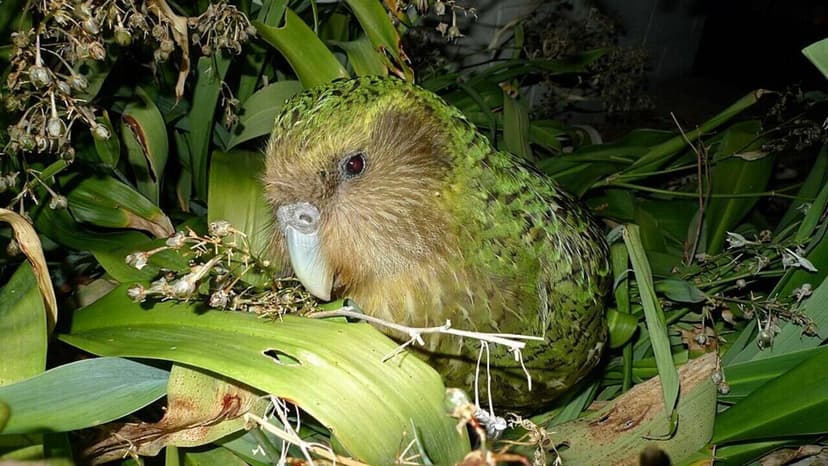
New Zealand's unique wildlife is under severe threat from invasive predators introduced after its forests evolved in isolation. Species like the flightless kākāpō and kiwi, which never faced land-based threats, are now vulnerable. Introduced rats, stoats, and possums are responsible for the deaths of an estimated 25 million native birds annually, significantly impacting biodiversity.
In response, New Zealand initiated "Predator Free 2050," a global conservation effort targeting the eradication of these pests by the year 2050. This ambitious program seeks to restore the country's natural balance. Conservationists have seen some success, such as the recovery of the kākāpō population from a low of 51 individuals.
While eradicating predators from small offshore islands has proven effective for native plant and bird recovery, the mainland presents a greater challenge. New Zealand employs a range of methods, including traps and aerial control, alongside research into advanced technologies to combat the high reproductive rates of pests.
Achieving the goal of a predator-free nation by 2050 is a monumental task requiring continuous surveillance and innovation. The success of initiatives like the Kākāpō Recovery Programme offers hope, highlighting the profound impact of dedicated conservation efforts on restoring New Zealand's delicate ecosystem.


