Home / Environment / New Zealand Battles Invasive Gorse 'Living Fence'
New Zealand Battles Invasive Gorse 'Living Fence'
7 Jul
Summary
- European gorse was introduced centuries ago for farm fencing.
- The plant now covers five percent of New Zealand's land.
- Dense gorse thickets choke out native plants and increase fire risk.
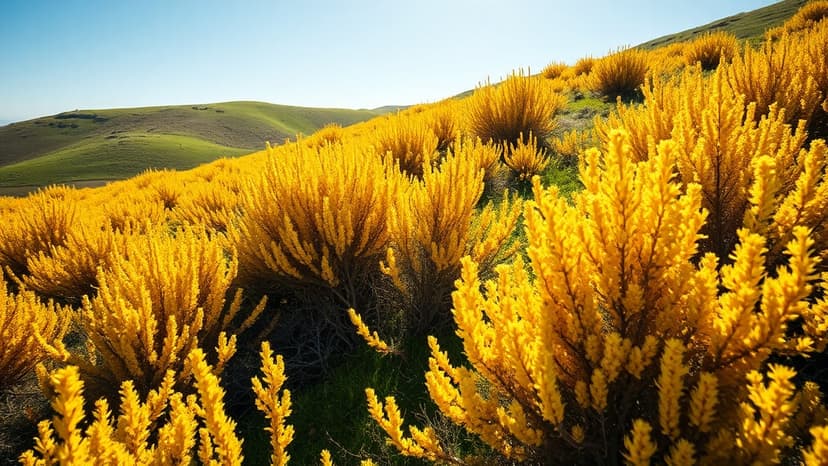
European gorse, initially introduced to New Zealand by nineteenth-century settlers for agricultural fencing, has evolved into a significant botanical crisis. This hardy shrub, valued for its rapid growth and tough structure, now blankets approximately five percent of the nation's developed and agricultural land, transforming once-pastoral landscapes into dense, monotypic stands.
The plant's success is attributed to its aggressive competitive nature and its ability to thrive across diverse soil types, producing resilient seeds that remain viable for extended periods. Its nitrogen-fixing capability alters soil chemistry, favoring other invasive species over New Zealand's native flora. Furthermore, the dense thickets create physical barriers, blocking essential sunlight for undergrowth and increasing the risk of fires due to dry matter and flammable oils.
Managing this invasive species presents a complex challenge. Traditional eradication methods like cutting or bulldozing are often costly and can inadvertently stimulate seed germination. Scientists are exploring biological controls and natural ecological processes, such as allowing native trees to gradually shade out the gorse in undisturbed areas. This slow transition, dependent on the gorse's intolerance to deep shade, offers a decades-long strategy for its eventual replacement by native vegetation.


