Home / Environment / New Zealand's Wild Comeback: From Extinction to Thriving
New Zealand's Wild Comeback: From Extinction to Thriving
17 Jul
Summary
- Isolation shaped unique wildlife, with birds filling mammal roles.
- Sanctuaries like Maungatautari use fences to protect native species.
- Conservation efforts blend Māori culture with modern science.
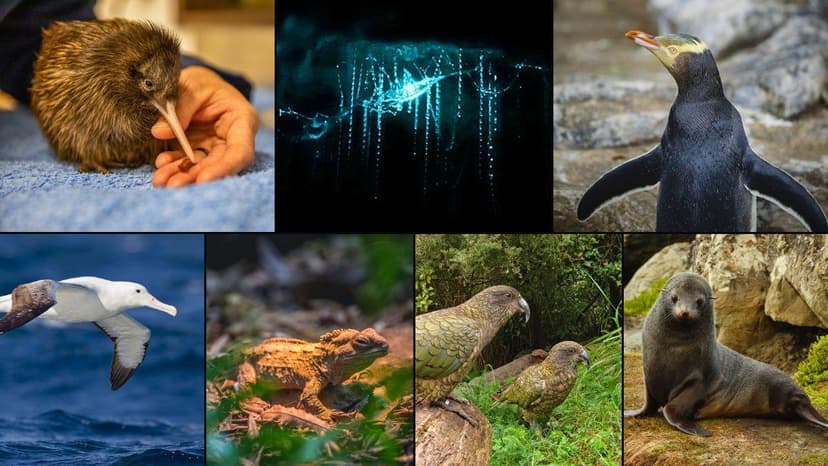
New Zealand's wildlife, isolated after Gondwana's breakup, developed unique roles for birds and insects in the absence of mammals. This evolutionary path set the stage for modern conservation efforts aimed at preserving its distinct biodiversity.
Ecological sanctuaries, such as Sanctuary Mountain Maungatautari, employ significant pest-exclusion barriers. These areas have successfully removed mammalian threats, allowing native species like the takahē and kiwi to thrive.
Māori cultural educators emphasize conservation as a historical responsibility, recalling the extinction of the moa around the 1300s. This history underscores the urgency of protecting species, viewed as a warning against permanent loss.
Conservation practices are increasingly collaborative, merging iwi (Māori tribal) groups, government agencies, and private trusts. This partnership approach is seen as crucial for ecological recovery and cultural reclamation.
Sites like the Spellbound Glowworm Cave showcase bioluminescent insects, while the Willowbank Wildlife Reserve focuses on nocturnal birds and ancient reptiles. The Royal Albatross Centre protects the only mainland colony of northern royal albatrosses.
Coastal restoration projects, such as The OPERA, address threats to penguins and fur seals from warming oceans and human impact. These efforts highlight the ongoing struggle to maintain New Zealand's fragile ecosystems.


