

Home / Environment / Human-Wildlife Clashes Rise as Nepal's Mega-fauna Grow
Human-Wildlife Clashes Rise as Nepal's Mega-fauna Grow
21 Apr
Summary
- Increasing megafauna populations lead to more human-wildlife conflicts.
- Conservation success has led to a sevenfold increase in rhinos.
- Education and training efforts aim to improve coexistence with wildlife.
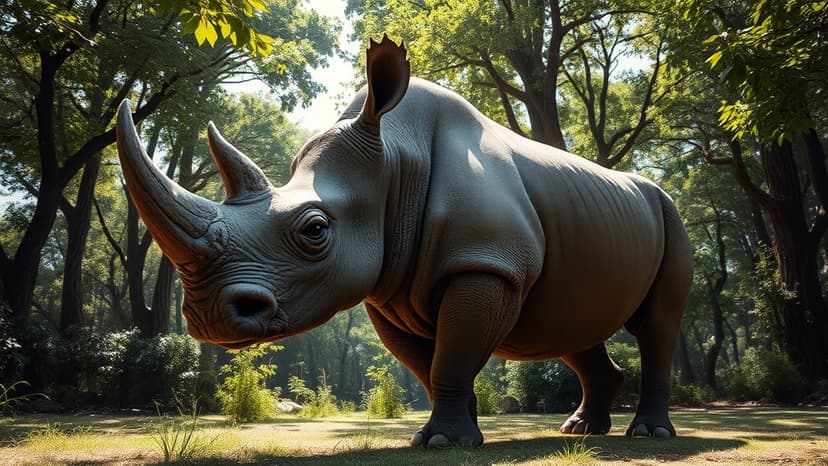
Nepal is experiencing a heightened level of human-wildlife conflict, a consequence of successful conservation efforts that have led to a notable increase in megafauna populations like rhinos and tigers. Efforts are being made to manage these escalating conflicts, particularly around Chitwan National Park, through educational initiatives and specialized training workshops aimed at fostering coexistence.
The country's rhino population has grown more than sevenfold since the 1970s, with nearly 700 rhinos now inhabiting areas in and around Chitwan. This increase in wildlife numbers, coupled with a growing human population and tourism, has inevitably led to more frequent and sometimes fatal encounters. Recent incidents include the tragic deaths of a farmer and his son by a rhinoceros and a fisherman taken by a tiger.
To address the growing concerns, initiatives like a seven-day immersive workshop have been conducted, bringing together environmentalists to develop strategies for safer human-wildlife coexistence. These programs focus on educating community members, especially women who are most vulnerable due to traditional roles of gathering resources from forests, and children, to prepare them for potential encounters and mitigate risks.
