Home / Environment / Nepal's Wild Kingdom: Human-Wildlife Conflict Escalates
Nepal's Wild Kingdom: Human-Wildlife Conflict Escalates
10 Jan
Summary
- Wildlife attacks in Nepal's Terai region have resulted in multiple recent fatalities.
- Nepal has seen a significant increase in its wild tiger population over 15 years.
- Chitwan National Park reports the majority of animal attack fatalities, mainly from rhinos.
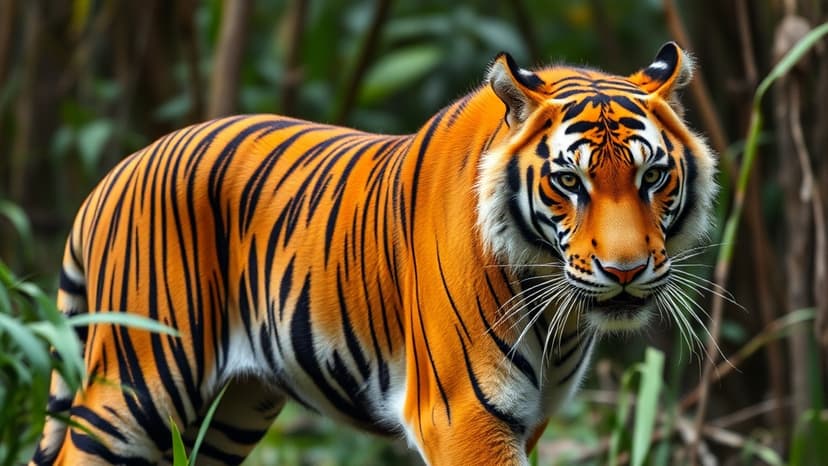
The Terai region, bordering Nepal and India, is experiencing a concerning rise in human-wildlife conflict, with at least four reported deaths in the past month due to attacks by tigers, a leopard, and a rhino. These incidents underscore the complex relationship between humans and a growing wild animal population. Nepal has seen a remarkable increase in its wild tiger population, nearly tripling from about 121 in 2009 to 355 in 2022, leading to more frequent encounters near protected areas.
Chitwan National Park, a prime habitat for rhinos, tigers, and elephants, has reported numerous fatalities. In the 2024-25 period alone, 11 people died from animal attacks within Chitwan, with rhinoceroses being the primary cause. Over the last decade, Chitwan National Park documented 127 deaths from animal encounters, with rhinos accounting for 52, followed by tigers and wild elephants. Despite improved conservation efforts leading to thriving wildlife, these animals occasionally venture into human settlements seeking food or other needs.
Wildlife conservationists emphasize the critical need for local populations to remain vigilant when entering forests or areas frequented by wild animals. While major wildlife like tigers and rhinos pose significant threats, snakebites also remain a danger, with a police report indicating 70 out of 83 recorded deaths from wild animal encounters between July and December 2024 attributed to snakes. As human settlements expand, managing this human-wildlife interface remains a paramount challenge for Nepal.