Home / Environment / Nepal's Food Crisis: Crops Fail, Imports Soar
Nepal's Food Crisis: Crops Fail, Imports Soar
11 Jan
Summary
- Erratic rainfall has led to reduced crop yields in Nepal's food basket.
- Nepal increased rice and paddy imports by 46% between July and November.
- Global temperature rise contributes to extreme weather events affecting harvests.
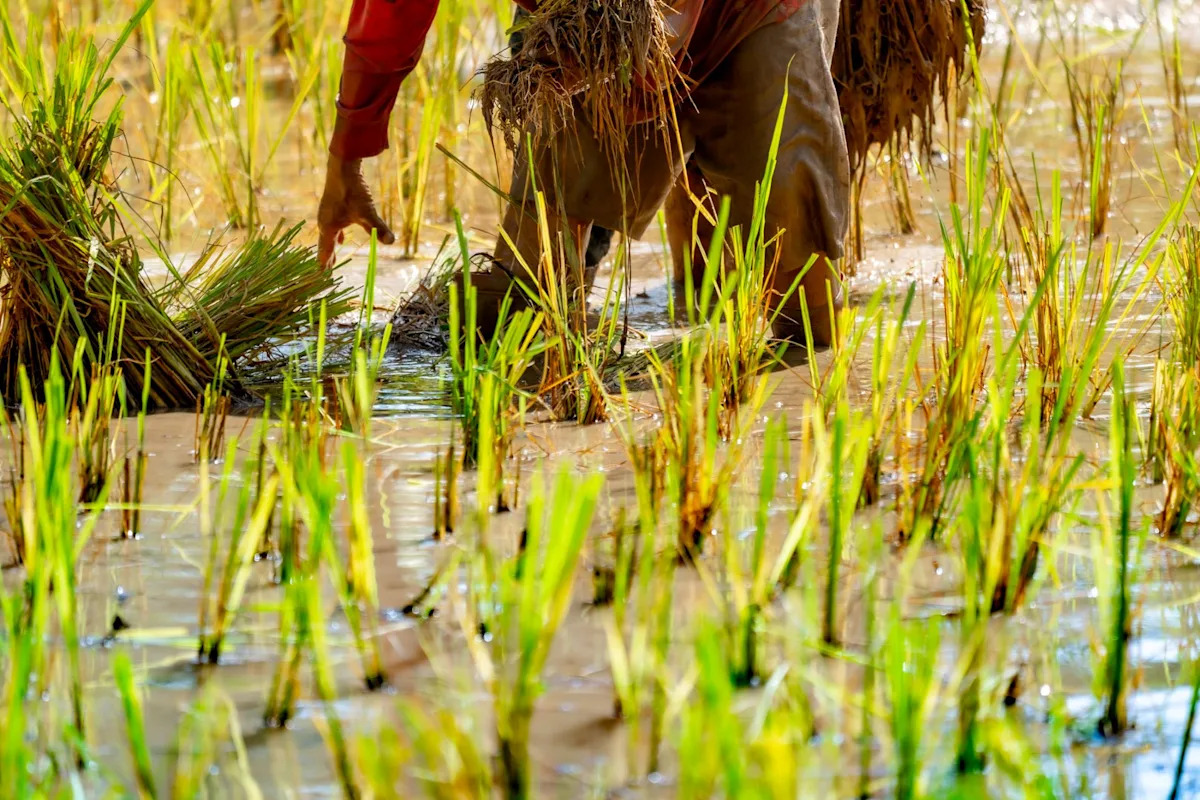
Nepal is experiencing a significant food supply challenge, marked by reduced crop yields attributed to unpredictable weather patterns. The country's 'Grain Basket,' the Madhesh Province, suffered an unprecedented monsoon failure in July, leading to severe drought conditions. This disrupted critical stages of grain growth, diminishing harvest output. Later, in October, heavy rainfall caused further damage to crops ready for harvest, resulting in substantial food losses.
To compensate for domestic shortfalls, Nepal has substantially increased its food imports. Between July and November, the nation imported 185,198 tons of rice and paddy, costing approximately $70.5 million. This represents a 46% increase compared to the same period last year, highlighting the severity of the domestic agricultural crisis.
The underlying cause of these extreme weather events is linked to the planet's rising temperatures, driven by human activities like burning fossil fuels. Such climatic shifts pose a global threat to food security, leading to crop losses, wasted resources, and escalating food costs for consumers worldwide. While limiting global temperature rise is crucial, farmers are exploring sustainable practices like advanced irrigation and resilient crop varieties.