
Home / Environment / Houses on Wheels Flee Eroding NC Coast
Houses on Wheels Flee Eroding NC Coast
29 Apr
Summary
- Homes are being lifted onto wheels to escape rapid coastal erosion.
- Nineteen houses have been lost to the ocean since September.
- Outer Banks erosion is a 'canary in the coalmine' for other east coast areas.
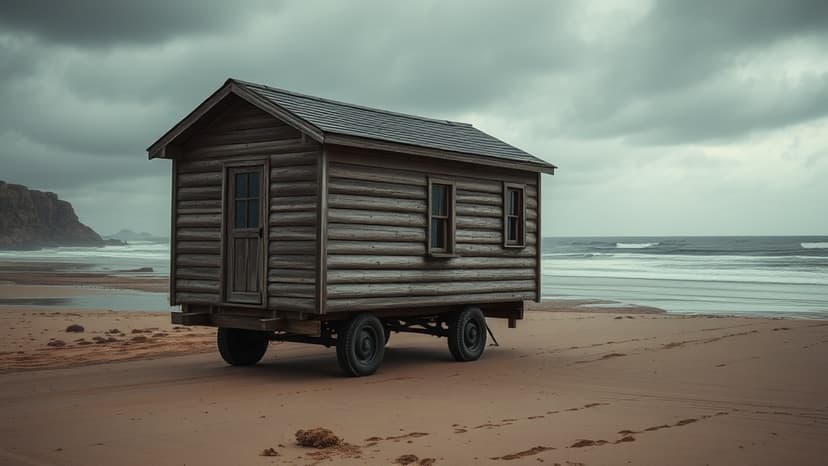
Hatteras Island, North Carolina, is witnessing a dramatic response to rapid coastal erosion, with entire homes being placed on wheels to move them inland. Since September, nineteen houses have been lost to the Atlantic Ocean, prompting residents to seek the services of house movers like Barry Crum.
Crum notes an unprecedented surge in demand, stating, "It's never been this busy." This accelerating erosion, with some hotspots losing over 10 feet of land annually, serves as an early warning for other low-lying east coast communities. Coastal change expert Laura Moore describes these areas as "kind of the canaries in the coalmine."
Despite the challenges, resilience defines life on the Outer Banks, a region historically adapted to dynamic conditions, from the relocation of the Cape Hatteras lighthouse in 1999 to pirate lore. However, the current pace of erosion, exacerbated by climate change and rising sea levels, presents a critical threat.
Official responses include beach nourishment and rebuilding coastal defenses like groins, though experts caution these may only temporarily redistribute the problem. Some residents advocate for raising Highway 12 or adding bridges to prevent its submersion. The situation forces a difficult global conversation about confronting rising seas.
Manaaged retreat, a term some find unpalatable, is increasingly considered. Geologists emphasize working with nature rather than fighting it, suggesting that, like the lighthouse, entire communities may need to relocate. Innovative solutions, such as moving homes and costing up to $300,000, offer a temporary reprieve for some, allowing them to "hang on a little longer."
