Home / Environment / Nature's Resilience: Wildlife and Floods
Nature's Resilience: Wildlife and Floods
1 Feb
Summary
- Storm Chandra caused severe flooding, impacting wildlife and habitats.
- Restoring wetlands and reintroducing beavers can mitigate flood risks.
- Extreme rainfall events are 20% more intense due to rising temperatures.
Recent extreme weather events, such as Storm Chandra, have inflicted significant damage on UK ecosystems. The deluge caused extensive flooding, leading to the loss of wildlife habitats and potential threats to various species, from insects to small mammals. Conservationists note that rising global temperatures are making such extreme rainfall events approximately 20% more intense.
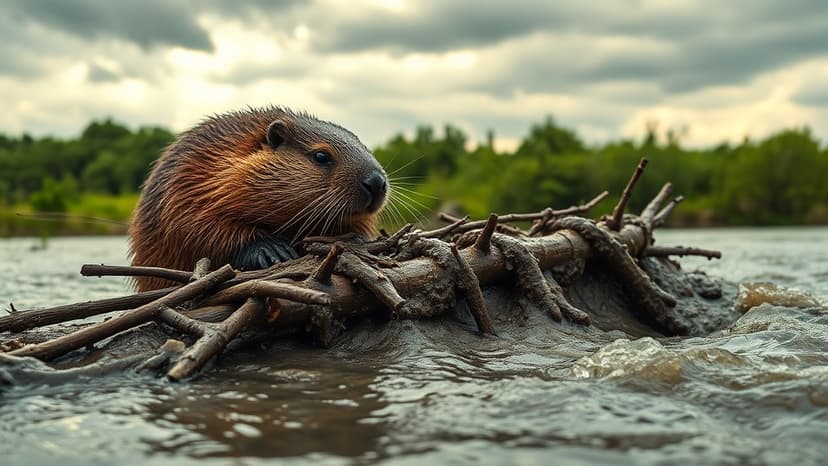
However, nature itself offers powerful solutions for flood mitigation. Experts advocate for restoring degraded wetlands and reintroducing beavers, whose dams naturally slow water flow and create resilient habitats. While beavers are thriving in parts of the UK, conservationists stress that these efforts must be part of a larger strategy.
Further measures include reconnecting rivers with their floodplains and improving soil health. These actions aim to slow water movement through the landscape, reducing the impact of rapid deluges on properties and human life. The reintroduction of beavers is seen as a cost-effective, natural approach to managing water levels, benefiting ecosystems during both floods and droughts.