Home / Environment / Najafgarh Jheel Under Stress: Drainage Woes and Urban Encroachment
Najafgarh Jheel Under Stress: Drainage Woes and Urban Encroachment
2 Feb
Summary
- Disrupted drainage and encroachment pressure harm Najafgarh jheel.
- Globally threatened raptor species rely on the wetland habitat.
- NGT seeks reports, granting time until March 2026 for assessment.
Najafgarh jheel, a transboundary wetland shared by Haryana and Delhi, is facing severe ecological challenges. A preliminary assessment by the National Centre for Sustainable Coastal Management (NCSCM) identified disrupted drainage connectivity and encroachment as major threats. These issues alter the wetland's hydrodynamics and impact its biodiversity.
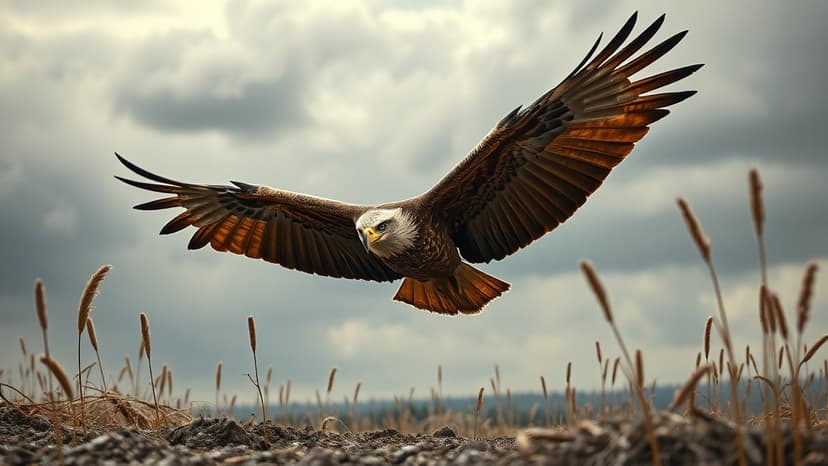
The wetland serves as a critical habitat for globally threatened raptor species, including the Steppe Eagle and Imperial Eagle, along the Central Asian Flyway. Despite its ecological importance, urban development, agriculture, and flood-control structures have led to significant encroachment pressures and altered water flow into the jheel.
The National Green Tribunal (NGT) is overseeing efforts to protect and restore Najafgarh jheel. The Union ministry of environment, forest and climate change has been granted until March 2026 to submit a final boundary delineation and ecological assessment report. The NGT's next hearing is scheduled for April 8, 2026.
Meanwhile, Haryana has proposed a Rs 2,000 crore project to divert Gurgaon's stormwater, a move questioned for its cost-effectiveness and necessity given the jheel's capacity to hold floodwaters. Concerns remain about Gurgaon's internal drainage system inadequacy.