

Home / Environment / Mumbai Heatwaves Soar Amidst Urban Sprawl
Mumbai Heatwaves Soar Amidst Urban Sprawl
16 Apr
Summary
- Mumbai lost 81% open land, 40% green cover, 30% water bodies since 1991.
- Over 11,500 people died from heat-related causes between 2011-2020.
- Experts call for a 'Heat Action Plan' and public awareness.
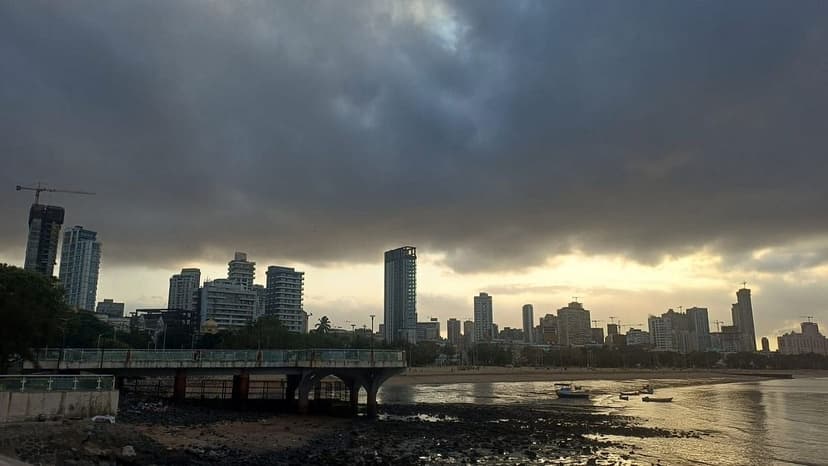
Mumbai's escalating heatwaves are directly linked to extensive urban development, which has resulted in the dramatic loss of natural spaces. Between 1991 and 2018, the city saw an 81% decline in open land, a 40% reduction in green cover, and a 30% decrease in water bodies. Concurrently, the built-up area expanded by 66%, contributing to a 2-degree Celsius rise in average temperatures.
Experts are calling for the implementation of a 'Heat Action Plan' to address the increased health risks. Factors such as unsustainable development, increased concretization, and climate change are cited as primary drivers for the recent surge in heatwaves. The India Meteorological Department has improved forecasting, now factoring in moisture for coastal alerts, enabling citizens to prepare for extreme heat.
Heatwaves are now recognized as a critical, intensifying disaster in India, causing significant mortality and impacting millions. Between 2011 and 2020, over 11,500 deaths were attributed to heat-related causes nationwide. Maharashtra has seen a sharp increase in heat-related illnesses and fatalities, particularly in the Marathwada, Vidarbha, and North Maharashtra regions, highlighting the urgent need for public awareness and long-term mitigation strategies.
