Home / Environment / Mumbai Haze: Why Skies Are Grey Despite Moderate AQI
Mumbai Haze: Why Skies Are Grey Despite Moderate AQI
31 Jan
Summary
- Haze is caused by secondary particles from reactions and meteorological factors.
- Low winter wind speeds and temperatures trap pollutants near the ground.
- Urban planning, like high-rises, obstructs airflow, worsening pollution.
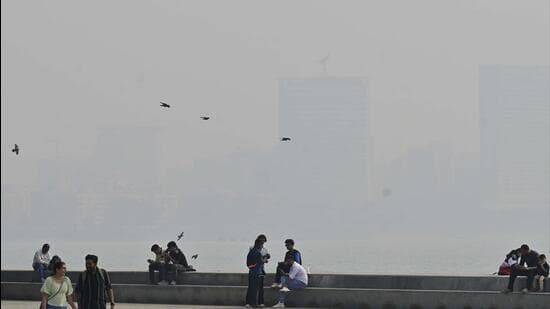
Mumbai has been experiencing persistent haze, with an average AQI of 127 on January 31, 2026, classifying it as moderate. This has led to poor visibility and public concern, as the hazy conditions seem to contradict official readings that typically range from satisfactory to moderate.
The haze is primarily composed of fine secondary particles. These form from the reaction of nitrogen oxides and hydrocarbons in sunlight. Environmental scientist Rakesh Kumar explains that meteorology, particularly calmer winds, plays a significant role in trapping these particles.
During winter months like January, Mumbai faces slower wind speeds and lower temperatures. This meteorological pattern, as noted by Sunil Dahiya, leads to the stagnation of pollutants close to the ground, exacerbating the hazy conditions.
Furthermore, urban design contributes to the problem. High-rise buildings, especially near the coast, obstruct natural wind currents that would otherwise disperse pollutants. This trapped air layer, laden with dust and emissions, becomes more concentrated.
The health implications of this toxic haze are serious. Doctors warn of increased risks for respiratory and cardiovascular diseases, as well as neurological issues. Symptoms like headaches, fatigue, and skin problems are common, and children are particularly vulnerable to long-term lung damage.