Home / Environment / Mumbai's New Rules Spark Health Crisis Fears
Mumbai's New Rules Spark Health Crisis Fears
1 Mar
Summary
- New DCPR-2034 permits taller towers, increasing urban density.
- Experts warn of rising respiratory and cardiovascular diseases.
- Construction dust and reduced green cover worsen air quality.
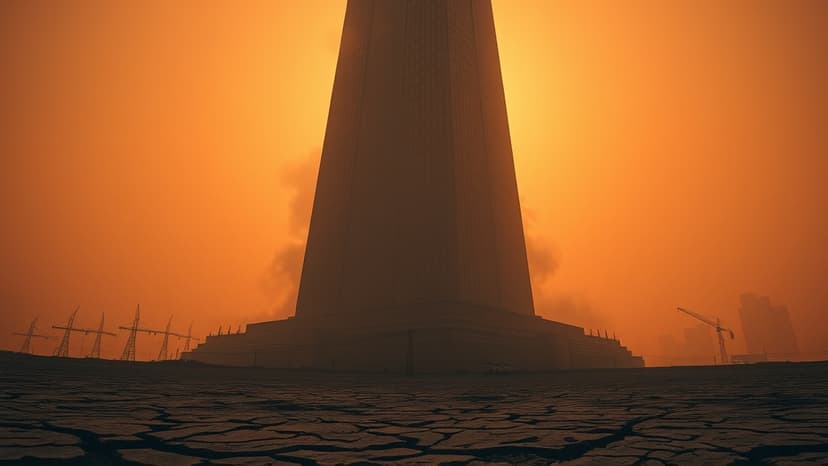
Mumbai's new Development Control and Promotion Regulation (DCPR-2034) is under scrutiny by medical experts who fear it may trigger a public health crisis. The regulations permit unusually tall towers by allowing excessive floor space index (FSI) in already dense wards. Combined with ongoing redevelopment and concessions on open spaces, such as a mere five-foot distance between buildings, these changes are contributing to environmental and public health concerns.
Doctors report a significant increase in respiratory illnesses, cardiovascular diseases, heat stress, and anxiety disorders. Senior architect Shirish Sukhatme noted that Mumbai's urban density already exceeds 20,000 persons per sq km in several wards, with infrastructure capacity failing to keep pace, leading to environmental stress.
Cardiologist Dr. Dev Pahlajani links indiscriminate redevelopment to worsening pollution from building materials, stating that PM 2.5 particles above WHO guidelines can cause heart attacks. Pulmonologist Dr. Sujeet K Rajan highlights thick smog from construction dust and diesel exhaust as a significant health cost, noting a rise in inhaler demand and medications like Budecort becoming top sellers.
Public health expert Dr. Ravi Duggal criticizes patchy enforcement of pollution rules, warning that relentless construction erodes the city's natural ability to disperse pollution, risking Mumbai becoming "another Delhi." Nephrologist Dr. Bharat Shah points to emerging links between air quality and kidney health, as PM2.5 can disrupt renal homeostasis. Experts urge a review of the DCPR, calling the situation a medical emergency.