Home / Environment / Mountains Crumble as Global Warming Melts Ancient Ice
Mountains Crumble as Global Warming Melts Ancient Ice
21 Jan
Summary
- Mt. Fluchthorn's summit collapsed on June 11, 2023, due to permafrost melt.
- Permafrost holds mountains together; its melting causes instability and collapse.
- Alps are warming twice as fast as the global average, threatening communities.
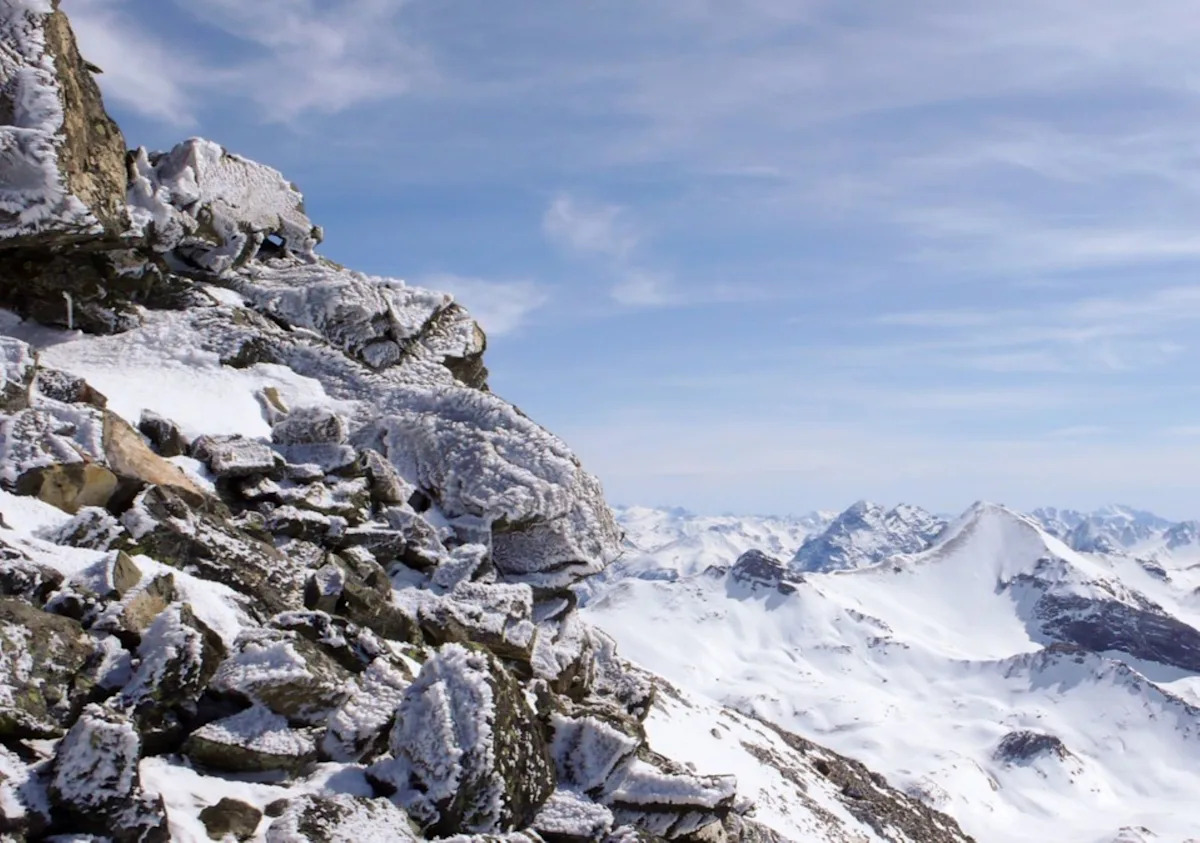
The summit of Mt. Fluchthorn, a prominent peak in the Swiss Alps, catastrophically collapsed on June 11, 2023. This event occurred when the permafrost, a layer of ice and dirt that stabilizes the mountain, melted due to rising global temperatures. The collapse sent an estimated 3.5 million cubic feet of rock into the valley below, shortening the mountain by 60 feet.
Scientists explain that permafrost acts like glue, binding the ground together. As this ice melts, the terrain becomes unstable, leading to rapid mass movements. The Alps are experiencing warming at nearly twice the global average rate, with temperatures rising approximately 0.5 degrees Celsius per decade. This accelerated warming exacerbates permafrost melt, increasing the likelihood of future collapses and related hazards like floods and mudslides.
The degradation of mountains due to permafrost loss poses significant risks to the 670 million people residing in high-mountain areas globally. Beyond the threat to life, these events can damage farmland, block transportation routes, and contaminate water sources. Mitigation efforts, including adopting sustainable practices like reducing single-use plastics and transitioning to clean energy, are crucial to slow global overheating and protect vulnerable mountain ecosystems and communities.