Home / Environment / Africa's Glaciers Vanishing Within Years
Africa's Glaciers Vanishing Within Years
5 Jan
Summary
- Mount Kenya's ancient glaciers may disappear within three to five years.
- Africa's remaining glaciers could vanish entirely by 2030.
- Melting ice contributes to rising sea levels and extreme weather events globally.
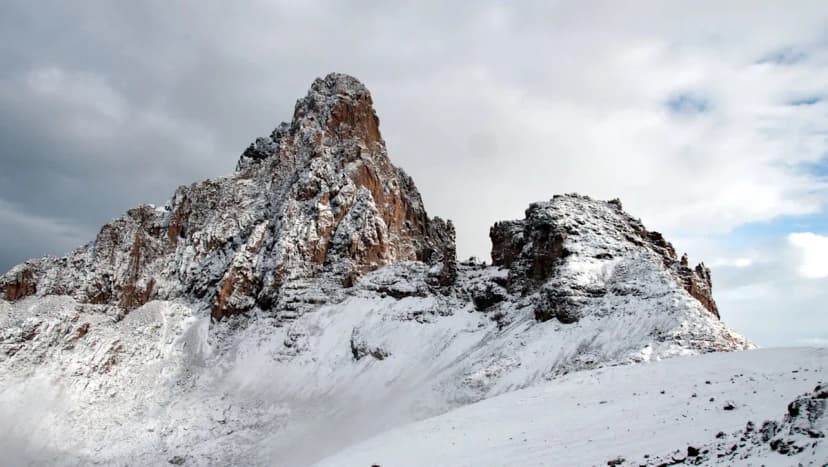
The ancient glaciers adorning Mount Kenya, a prominent African landmark, are in rapid decline. Scientists estimate these ice formations could completely vanish within the next three to five years, a stark warning from UN Environment Programme goodwill ambassador Lewis Pugh. This rapid melt reflects a global pattern, with Africa's remaining glaciers predicted to disappear entirely by 2030.
The loss of these glaciers has significant environmental implications. They historically regulated temperatures and provided a steady source of freshwater crucial for drinking, agriculture, and energy. Currently, rising global temperatures accelerate ice melt, outpacing snowfall and contributing to broader climate change impacts. This phenomenon is not isolated to Kenya; glaciers in the Andes and Italy's Marmolada Glacier also face imminent disappearance.
This accelerating ice loss worldwide exacerbates global challenges. Melting glaciers contribute to rising sea levels, intensifying coastal flooding during storms. It also fuels more extreme weather events, making storms and heatwaves more potent and destructive. Global efforts are focused on reducing pollution and expanding clean energy, while individuals can contribute by conserving energy and reducing waste to mitigate the pressure driving this critical ice loss.