feedzop-word-mark-logo
searchLogin
Feedzop
homeFor YouIndiaIndia
You
bookmarksYour BookmarkshashtagYour Topics
Trending
trending

Skoda Slavia Facelift spotted testing

trending

iPhone 16 Pro Price Drop

trending

Bondi Beach shooting: Two suspects

trending

India, Pakistan U19 clash

trending

India vs South Africa T20

trending

Bayern vs Mainz: Fischer's debut

trending

Brentford vs Leeds team news

trending

Genoa vs Inter: Lineups

trending

U19 Asia Cup live

Terms of UsePrivacy PolicyAboutJobsPartner With Us

© 2025 Advergame Technologies Pvt. Ltd. ("ATPL"). Gamezop ® & Quizzop ® are registered trademarks of ATPL.

Gamezop is a plug-and-play gaming platform that any app or website can integrate to bring casual gaming for its users. Gamezop also operates Quizzop, a quizzing platform, that digital products can add as a trivia section.

Over 5,000 products from more than 70 countries have integrated Gamezop and Quizzop. These include Amazon, Samsung Internet, Snap, Tata Play, AccuWeather, Paytm, Gulf News, and Branch.

Games and trivia increase user engagement significantly within all kinds of apps and websites, besides opening a new stream of advertising revenue. Gamezop and Quizzop take 30 minutes to integrate and can be used for free: both by the products integrating them and end users

Increase ad revenue and engagement on your app / website with games, quizzes, astrology, and cricket content. Visit: business.gamezop.com

Property Code: 5571

Home / Environment / Mosquitoes Adapt to Survive in Previously Inhospitable Iceland, Raising Concerns

Mosquitoes Adapt to Survive in Previously Inhospitable Iceland, Raising Concerns

24 Oct

•

Summary

  • Mosquitoes detected in Iceland for the first time
  • Mosquitoes exploiting artificial breeding sites and adapting to colder temperatures
  • Potential threat to humans and ecosystems with no prior exposure
Mosquitoes Adapt to Survive in Previously Inhospitable Iceland, Raising Concerns

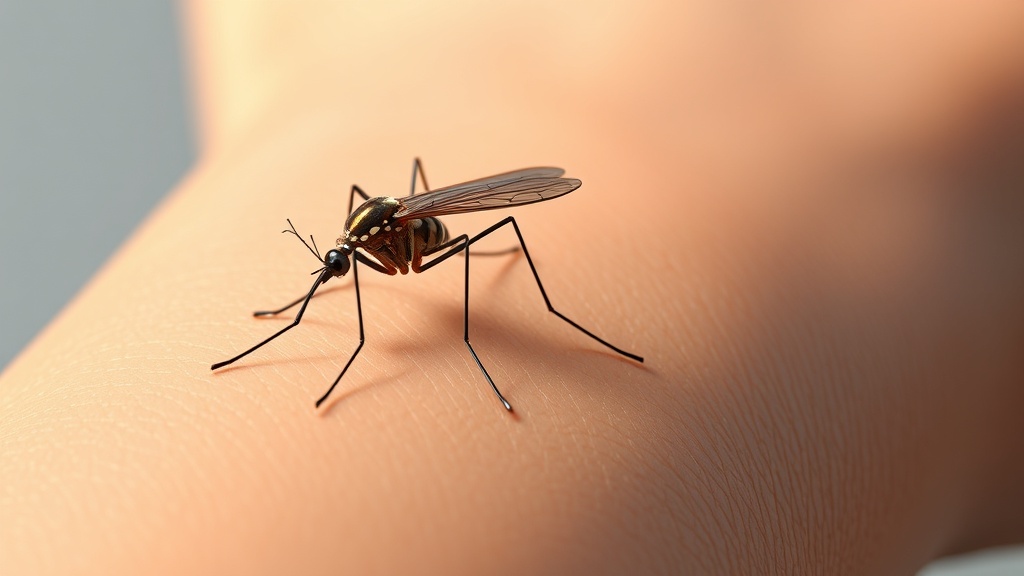
On October 16, 2025, mosquitoes were detected in Iceland for the first time, marking a dramatic shift in the reach of one of the world's deadliest pests. Scientists warn that these mosquitoes, identified as Culiseta annulata, have effectively evolved to survive colder temperatures, exploit artificial breeding sites, and complete their life cycles in a region that was previously inhospitable.

The arrival of mosquitoes in Iceland is part of a broader pattern tied to global warming, as the country has been experiencing a steady flow of warm air from the south. This has accelerated the development of mosquitoes, increasing their survival rates and extending the mosquito season, while also creating ideal conditions for breeding and population growth.

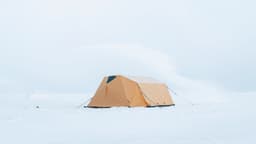
The discovery means that Antarctica is now the only location on Earth without the vector-carrying insect. Entomologists caution that the mosquitoes' presence could have broader ecological and health implications, as they are known to be vectors for deadly diseases such as malaria, dengue, and chikungunya, although Iceland has no history of such outbreaks. The mosquitoes' remarkable adaptability and ability to thrive in new environments demonstrate the potential for future health risks if pathogens are introduced.

Disclaimer: This story has been auto-aggregated and auto-summarised by a computer program. This story has not been edited or created by the Feedzop team.
Mosquitoes in Iceland have demonstrated their ability to exploit human-made water sources, such as buckets and flowerpots, to lay eggs in a region where natural stagnant water is scarce. They have also timed their life cycles to take advantage of Iceland's brief summer season, completing their development quickly before colder months return.
While Iceland currently has no history of mosquito-borne disease outbreaks, the presence of mosquitoes in the country raises concerns about the potential for future health risks if pathogens are introduced. Mosquitoes are known vectors for deadly diseases like malaria, dengue, and chikungunya.
The exact way these pests arrived in Iceland remains unknown, but scientists suggest they may have traveled aboard ships or hidden inside transported containers.

Read more news on

Environmentside-arrowIcelandside-arrowEarthside-arrow

You may also like

Konyukhov Braves Cyclone on Antarctic Birthday

12 Dec • 7 reads

article image

Sip Safely: 6 Countries with Drinkable Tap Water

30 Nov • 63 reads

Solo Explorer Braves Antarctic Chill for Science

20 Nov • 141 reads

article image

Patagonia Faces 'Green Colonialism' as Renewable Energy Megaprojects Threaten Ecosystems

14 Nov • 113 reads

article image

Antarctica's Krill Crisis: Fishing Frenzy Threatens Fragile Ecosystem

13 Nov • 184 reads

article image