Home / Environment / Mosquitoes: Humanity's Deadliest Predator Spreading With Climate Change
Mosquitoes: Humanity's Deadliest Predator Spreading With Climate Change
13 Apr
Summary
- Mosquitoes, humanity's deadliest predator, kill millions yearly with diseases.
- Climate change causes mosquitoes to expand into new regions globally.
- Innovative strategies combat mosquito-borne illnesses, like Wolbachia bacteria.
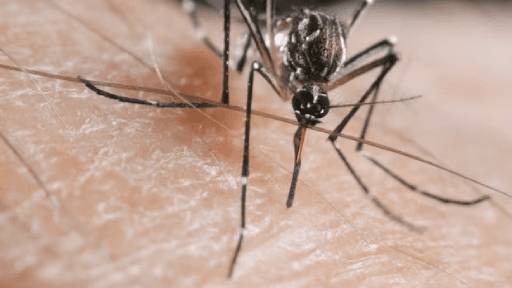
Mosquitoes, humanity's deadliest predator, kill approximately a million people each year and infect hundreds of millions with diseases, a threat amplified by climate change. These insects transmit deadly pathogens like malaria, dengue, and Zika, making them responsible for more human deaths than war or natural disasters. As global temperatures rise, mosquitoes are expanding their range into new regions, with recent findings in Iceland being attributed to global warming.
Scientists are developing novel strategies to combat the growing threat of mosquito-borne diseases. In Brazil, a biofactory releases female mosquitoes infected with Wolbachia bacteria, which prevents them from transmitting arboviruses. This method has shown significant reductions in dengue cases in trials across several countries. Other initiatives include genetic engineering for mosquito control and the development of plant-based repellents.
While these biotechnological advancements offer hope, concerns remain about their long-term ecological impact once introduced into new environments. Researchers are also exploring non-genetic biological approaches and even engineering mosquitoes to carry vaccines. Complete eradication of mosquitoes is considered unlikely and potentially unwise, emphasizing the need for adaptation strategies to manage their impact.


