Home / Environment / Mosquito-Borne Virus Decimates Beloved Blackbird Populations in Britain
Mosquito-Borne Virus Decimates Beloved Blackbird Populations in Britain
10 Nov, 2025
Summary
- Blackbird numbers fell 50% in London in 2020, still 32% lower in 2024
- Usutu virus, carried by mosquitoes, is fatal to blackbirds but not other birds
- Blackbird population already in decline due to habitat loss before virus outbreak
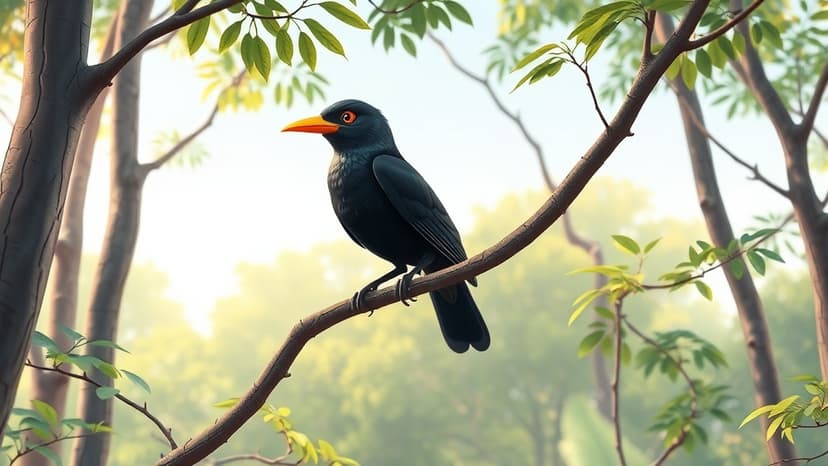
As of November 10, 2025, the beloved blackbird, a symbol of British suburbia, is facing a serious threat to its population across southern England. The culprit is the Usutu virus, a mosquito-borne disease that is proving fatal to the iconic black bird with the bright orange beak.
The virus, first identified in 1959 near the Usutu River in South Africa, has been spreading northward and was first noticed in London in 2020. That year, blackbird numbers in the capital fell by a staggering 50% in just 12 months. While the population recovered somewhat, it was still about 32% lower in 2024 compared to 2019 levels.
The Usutu virus is particularly devastating to blackbirds, while other bird species like sparrows and magpies tend to recover from the infection. The symptoms include weakness, lethargy, and loss of coordination, which prevent the birds from feeding effectively, ultimately leading to their demise.
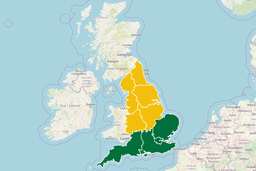
The blackbird population was already in decline prior to the virus outbreak, falling 20% between 1963 and 2023 due to factors like habitat loss. But the Usutu virus has exacerbated the problem, with the species now facing an even greater threat of extinction across southern England, as far west as Dorset and as far north as Cambridgeshire.
Conservationists are urging the public to take steps to help, such as eliminating standing water that can breed mosquitoes and supporting organizations like the RSPB. The fate of this beloved garden bird now hangs in the balance.