Home / Environment / Monty Don's Autumn Leaf Hack Helps Wildlife Survive Colder Months
Monty Don's Autumn Leaf Hack Helps Wildlife Survive Colder Months
4 Oct, 2025
Summary
- Monty Don advises gardeners to leave fallen leaves for wildlife shelter
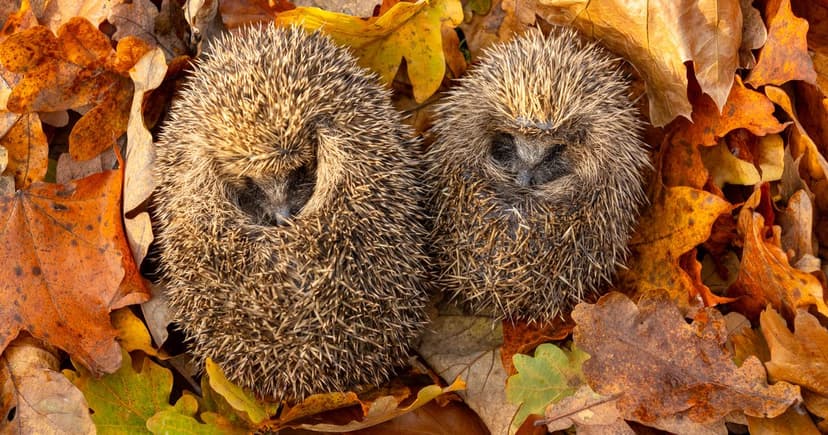
- Leaves can provide cozy cover for hedgehogs, frogs, and insects
- Bonfires pose risk to hibernating hedgehogs, so caution is needed
As the warmth of summer fades and the natural landscape becomes bare, the changing seasons can pose significant challenges for wildlife. Autumn brings limited food sources and sparse natural habitats, making it a difficult time for many creatures.
However, TV horticulturist and writer Monty Don has a helpful tip for gardeners to support local wildlife during this transitional period. In his October blog post, Don advises leaving fallen leaves where they are or collecting them to create cozy sanctuaries for hedgehogs, frogs, small mammals, and insects.
The presenter explains that these leaf piles and drifts under hedges and trees can provide essential over-wintering cover for the struggling creatures. Don also suggests making a simple structure using posts and chicken wire to store the collected leaves, ensuring they are ready to offer shelter as the weather gets colder.
While it may be tempting to clear away the autumn leaves, Don urges gardeners to resist the urge, as these natural materials can make a significant difference in helping wildlife survive the harsher months. The Woodland Trust also recommends creating "bug hotels" using leaves, twigs, and other readily available materials to support insects, which are crucial to the ecosystem.
As the article notes, caution is needed around this time of year, particularly as Guy Fawkes Night approaches. Hedgehogs may seek warmth in piles of wood, so it's important to thoroughly check any potential bonfire sites before lighting them, to avoid causing severe harm to the hibernating creatures.
Overall, Monty Don's simple leaf-saving tip demonstrates how small actions can have a meaningful impact on supporting local wildlife during the challenging autumn and winter seasons.


