Home / Environment / Monterrey's Toxic Air: A US Exported Crisis?
Monterrey's Toxic Air: A US Exported Crisis?
2 Dec, 2025
Summary
- Monterrey faces severe air pollution from factories exporting to the US.
- Toxic heavy metals emitted exceed levels in many US states.
- Industrial boom linked to thousands of deaths annually.
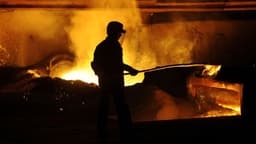
An industrial boom in Monterrey, Mexico, heavily tied to US manufacturing and exports, has resulted in a critical air pollution crisis. Factories, including those processing US waste and recycling materials, are emitting toxic heavy metals and greenhouse gases at levels exceeding those in many US states. This rampant industrialization, particularly from companies exporting to the US, contributes to an estimated 2,500 deaths annually in the metropolitan area.
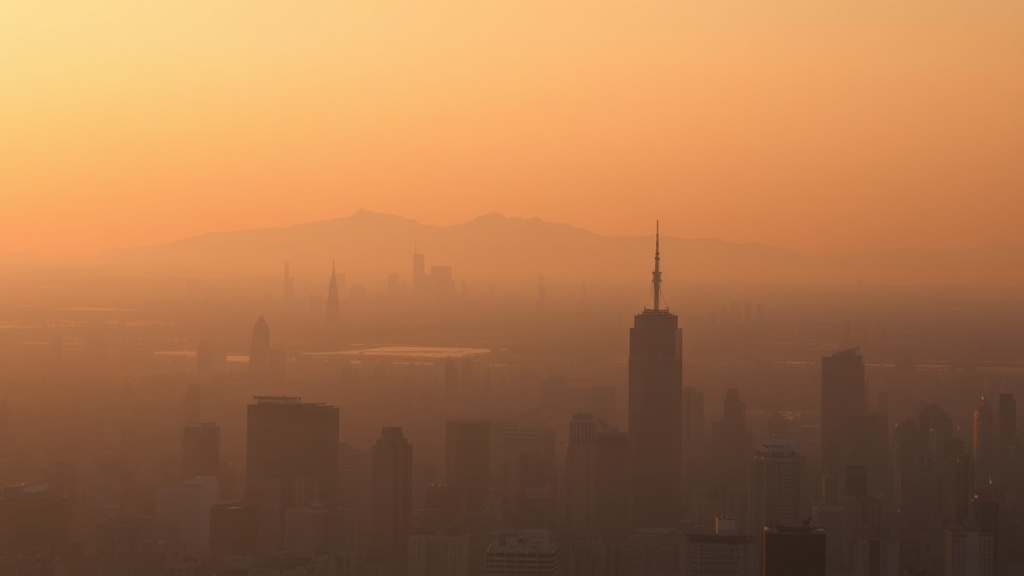
Residents of Monterrey, a metro area of 5.3 million people, endure air pollution levels double that of Los Angeles. The problem is exacerbated by outdated environmental regulations and inconsistent enforcement, allowing emissions of lead, cadmium, and arsenic to persist. Protests have emerged, with citizens demanding government intervention against the pervasive smog that frequently shrouds the city.
Mexican officials have acknowledged the issue and pledged to update emissions standards and improve monitoring. However, concerns remain about the prioritization of economic growth over public health, especially given the region's deep economic ties to the US. Activists and residents call for stricter enforcement and potentially relocating polluting industries to safeguard public health.