Home / Environment / Puerto Rico's Mongoose Menace: A Rabies Reservoir
Puerto Rico's Mongoose Menace: A Rabies Reservoir
16 Aug
Summary
- Introduced mongooses failed to control rats, becoming an invasive threat.
- Mongooses are now Puerto Rico's leading wildlife rabies carrier.
- Over 280 mongoose bites on humans occur annually in Puerto Rico.
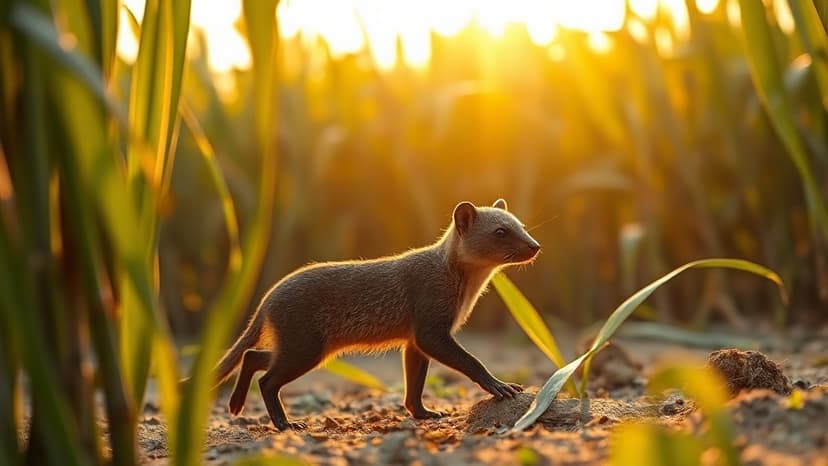
Introduced to Puerto Rico and other Caribbean islands in the 1870s to combat rats in sugarcane fields, the small Indian mongoose (Herpestes javanicus) has evolved into an invasive species and a persistent ecological and public health challenge. The mongoose's diurnal habits meant it was ineffective against nocturnal rats, and it subsequently harmed native wildlife.
More critically, mongooses have become a significant reservoir for rabies. The first confirmed outbreak in Puerto Rico occurred in 1950, and today, mongooses account for over 70 percent of animal rabies cases reported on the island. This uncontrolled mongoose-to-mongoose transmission poses a continuous risk, as there are no wildlife rabies vaccination programs in place.
Studies indicate widespread, though uneven, rabies exposure among mongooses across Puerto Rico's diverse habitats. This presents a direct threat to humans, with an average of 280 mongoose bites reported annually. Each bite is treated as an emergency, requiring post-exposure prophylaxis. The 2015 death of a person from mongoose-related rabies highlighted the seriousness of this ongoing issue, which began over a century ago as an agricultural solution.


