Home / Environment / Mongolia's Nomads Fight Climate Change With Tech
Mongolia's Nomads Fight Climate Change With Tech
23 Sep
Summary
- An app called Hunu uses GPS and AI to help Mongolian herders navigate climate risks.
- Extreme weather events like 'dzud' have killed millions of livestock in Mongolia.
- Desertification, worsened by overgrazing, affects 82% of Mongolia's territory.
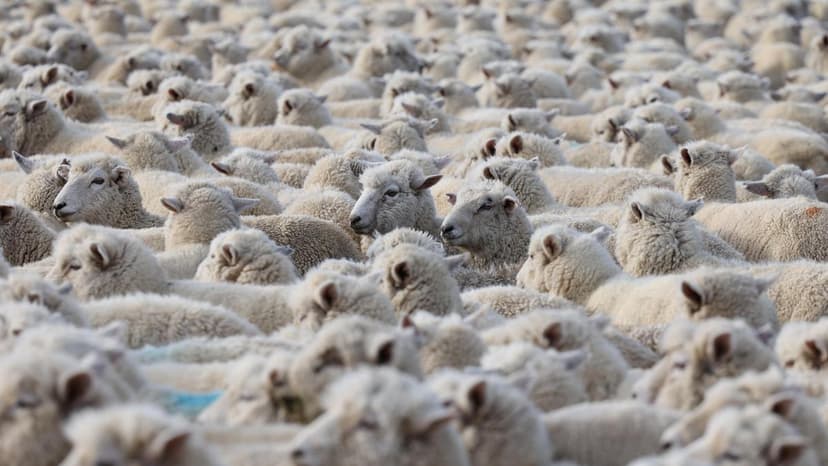
Mongolian herders are increasingly relying on technology to navigate the harsh realities of climate change. The Hunu app, founded by Bilgudei Gankhulug, offers solar-charging GPS trackers to monitor livestock and provides AI-driven weather updates, including warnings for dust storms and blizzards. This tool helps herders like Ganchimeg avoid dangers such as salty lakes, preventing catastrophic flock losses.
The app also displays vital data on snow depth, wind, and drought, aiding nomads in crucial decisions about herd movements. These climate challenges are exacerbated by desertification, with approximately 82 percent of Mongolia's territory affected. Extreme weather events, known as 'dzud', have previously caused the deaths of over eight million livestock.
Hunu's mission is to empower nomadic herders, embodying the meaning of its name, 'strong nomad.' The founder, Bilgudei, was inspired to create the app after witnessing the devastating impact of a 2024 'dzud.' He hopes to expand the app's reach to other Central Asian countries and has connected with interested pastoralists from Tanzania and Uruguay.
Desertification and overgrazing not only threaten nomadic livelihoods but also endanger wildlife like snow leopards and saiga antelope. The consequences extend globally, as dust storms originating in Mongolia can travel to China, Korea, Japan, and even the United States. Many herder families are migrating to cities, leading to population decline in rural provinces, though some are seeking greener pastures by relocating their herds.


