Home / Environment / Warmer World Sickens Monarchs, Threatens Food Supply
Warmer World Sickens Monarchs, Threatens Food Supply
2 Feb
Summary
- Higher temperatures increase monarch butterfly vulnerability to parasites.
- Monarchs are vital pollinators impacting the human food supply.
- Conservation efforts include creating pollinator-friendly gardens.
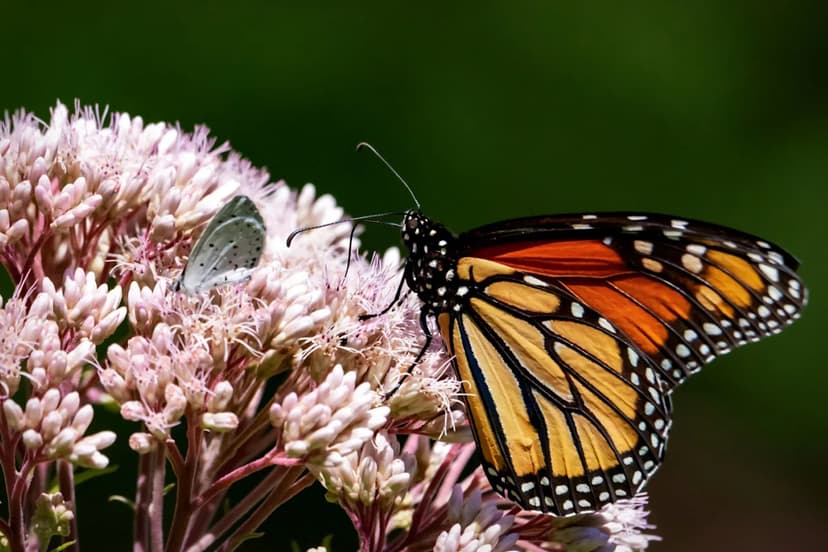
A recent study indicates that warmer temperatures heighten the risk of parasite infection for monarch butterflies. This increased vulnerability can lead to diminished physical attributes and shorter lifespans, potentially hindering their migratory capabilities. Even the protective toxins found in milkweed offer less defense in elevated heat.
These butterflies are significant pollinators, and their declining numbers could impact agriculture and the broader ecosystem. Deforestation and climate change exacerbate these threats beyond parasites, affecting habitat loss. The plight of monarchs often serves as a broader indicator for the health of other wildlife.
Efforts to aid monarch populations are underway, with programs offering support for landowners to implement monarch-friendly practices. Individuals can contribute by establishing gardens with native plants and reducing the use of chemical pesticides. These actions are crucial for supporting monarchs and other pollinators.