

Home / Environment / Ukraine War Sparks Moldova's Worst Eco-Crisis Since Chernobyl
Ukraine War Sparks Moldova's Worst Eco-Crisis Since Chernobyl
11 Apr
Summary
- Russian attacks on Ukraine's hydropower complex caused oil spill.
- Nistru River provides 80% of Moldova's drinking water.
- Moldova faces an information war over Russia's responsibility.
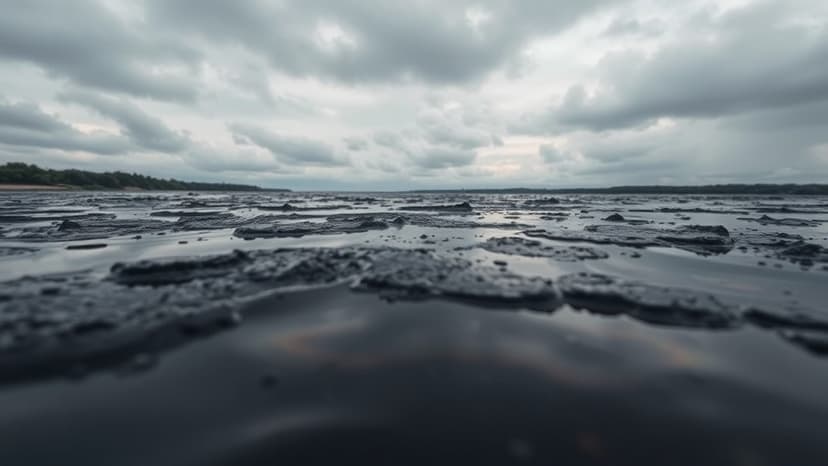
In March, Russian attacks on Ukraine's Novodnistrovsk hydropower complex caused a large oil spill into the Nistru River, threatening Moldova's drinking water supply. The Nistru River is crucial, providing 80% of Moldova's water. This environmental crisis is considered the most severe for Moldova since the Chernobyl disaster in 1986.
Local resident Ilie Cojocari first observed the oil slick near his village, Naslavcea, close to the Ukrainian border. Despite initial lack of official information, Moldova declared an environmental alert, with President Maia Sandu attributing blame to Russia. Emergency measures, including oil traps and alternative water supplies, were implemented.
The incident highlighted Moldova's vulnerability to the ongoing war in Ukraine, which has already caused refugee crises, airspace violations, and power outages. The spill affected cities like Bălți and rural areas, necessitating water rationing and support from European allies.
However, a disinformation campaign has emerged, with pro-Russian sources denying Moscow's role and suggesting an accident. Nature vlogger Ilie Cojocari faced online harassment for his initial reporting. The Moldovan government maintains Russia's responsibility, citing it as an attack on national security.
While immediate containment efforts stabilized the oil at safe levels by March 18, allowing tap water use after two days, the long-term impact on wildlife and the ecosystem remains a concern. Ecologists warn of potential effects on the entire food chain.
The Nistru oil spill serves as a stark reminder of Moldova's exposure to environmental risks stemming from the war and climate change, underscoring the urgent need to prioritize environmental security on national and international levels.

