Home / Environment / Milwaukee Floods: Rebuilding After 1000-Year Storm
Milwaukee Floods: Rebuilding After 1000-Year Storm
29 Jul
Summary
- Historic 14.55-inch rainfall caused over $208 million in damages.
- Great Lakes region faces extreme precipitation, a national hotspot.
- Milwaukee fast-tracks projects for infrastructure upgrades and storage.
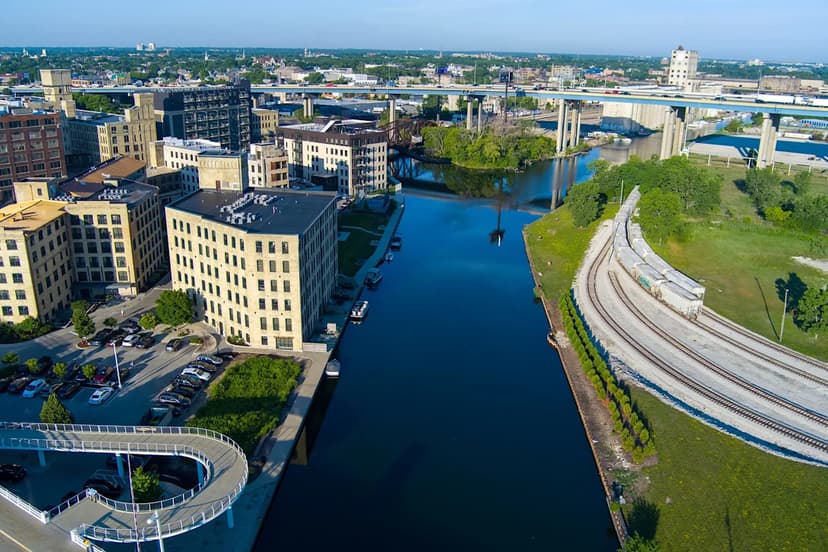
A year after a devastating 1,000-year storm inundated Milwaukee with 14.55 inches of rain, causing $208.8 million in damages and displacing residents, the city is accelerating efforts to bolster its flood resilience. This historic August 2025 event, which exceeded the capacity of the sewerage district's deep tunnel system, led to the release of billions of gallons of untreated wastewater into Lake Michigan.
The Great Lakes region, now a national hotspot for extreme precipitation, is experiencing storms with significantly higher rainfall amounts than in the mid-20th century. Milwaukee's infrastructure, designed for a past climate, is being urgently upgraded with nearly $100 million in projects focusing on both gray and green infrastructure. These initiatives aim to increase stormwater storage capacity, which is critical as such extreme rainfall events are expected to become more frequent.
Key improvements include expanding stormwater storage by over doubling the existing capacity toward a 740-million-gallon goal. Efforts also focus on addressing localized flooding issues, such as the bottleneck caused by a trash rack in McCarty Park, which is being replaced with a larger version. Past projects have successfully removed thousands of structures from floodplains, with plans to relocate more homes and businesses in the coming decade.
Beyond infrastructure, Milwaukee is fostering community healing and resilience through art and engagement. Murals, mosaics, and public art installations are being used to integrate restoration efforts with cultural narratives. Community events and workshops are bringing residents together to share experiences and develop strategies for improving flood preparedness and municipal responsiveness, demonstrating resilience through creative expression.


