Home / Environment / Migratory Bird Crisis: Populations Plummet 95%
Migratory Bird Crisis: Populations Plummet 95%
23 Mar
Summary
- Hudsonian godwit population declined 95% in four decades.
- Shorebird flies 11,000 km non-stop, part of 30,000 km annual journey.
- Climate change and habitat loss threaten migratory species.
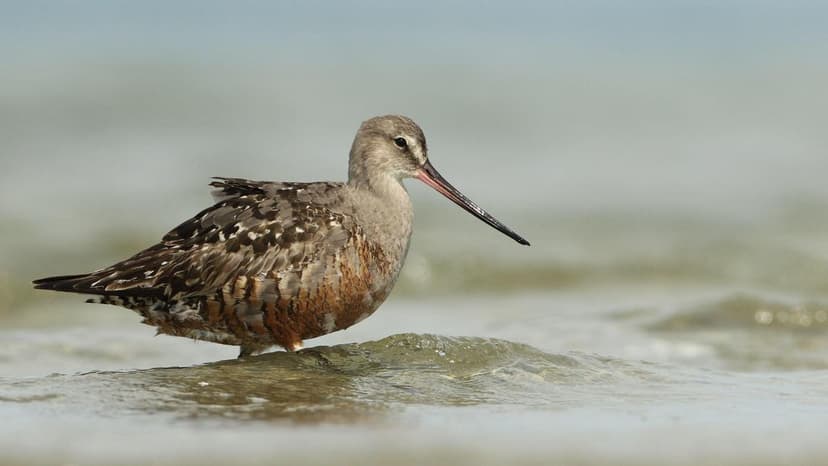
The Hudsonian godwit, a species capable of flying up to 11,000 km without stopping, is facing a severe population crash. Over the past four decades, its numbers have dwindled by an alarming 95%. This incredible bird undertakes an annual migration of approximately 30,000 km, traveling between its Arctic breeding grounds and wintering sites in Patagonia.
Scientists attribute this dramatic decline to a convergence of environmental pressures across multiple countries. Climate change is disrupting seasonal timing in the Arctic, creating a mismatch between hatching chicks and their insect food supply. Later migration timings observed in godwits suggest disruptions to their migratory cues or preparation abilities.
Further threats arise from human activities in their feeding grounds. In southern Chile, aquaculture development encroaches on intertidal zones, while changing agricultural practices in the United States reduce the availability and predictability of crucial wetland habitats for the godwits.
These challenges are leading to significant declines in migratory bird populations globally. The UN Convention on the Conservation of Migratory Species (CMS) is proposing international protection for 42 species, including the Hudsonian godwit, recognizing the urgent need for conservation efforts by the countries these animals traverse.