Home / Environment / Middle East's Lost Grasslands: A Tale of Greed & Deserts
Middle East's Lost Grasslands: A Tale of Greed & Deserts
8 Mar
Summary
- Middle East once boasted vast grasslands supporting nomadic pastoralists until the 1960s.
- Modern development, oil extraction, and state policies led to grassland conversion.
- War and resource depletion are accelerating desertification across the region.
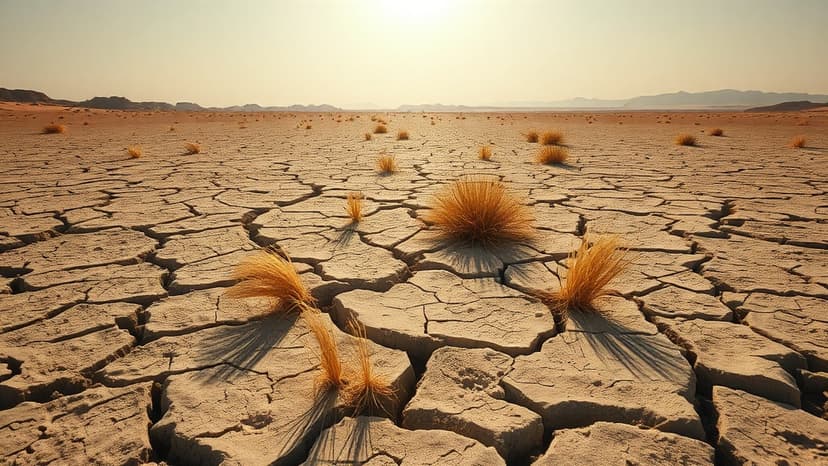
Until the 1960s, vast grasslands stretched across the Middle East, supporting nomadic pastoralists. This ecological past is often overlooked, with many associating only deserts with the region. These grasslands, from Turkey to Algeria, featured diverse landscapes including pastures, mountains, and major river systems like the Tigris and Euphrates.
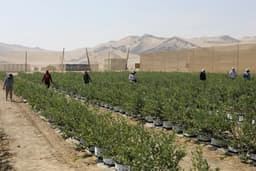
The transformation began with modern developmental policies that converted these lands into agricultural farms, large dams, and mining areas. Following the discovery of oil in the late 19th century, extraction of fossil fuels further altered these environments. Governments also sought to resettle nomadic pastoralists, viewing their mobility as a challenge to control and taxation.
Desertification remains a critical issue today, exacerbated by resource depletion, intensive commercial agriculture, and ongoing conflicts. The recent wars in the Middle East contribute significantly to environmental degradation, poisoning soil, air, and water.
Historically, climatic anomalies in the late 19th century, such as those linked to El Nino, caused harvest failures and livestock losses. This ecological disequilibrium disproportionately affected pastoralist communities, who lacked state support unlike the peasantry, leading to increased tensions and conflicts over resources.
These environmental and economic disparities fueled 'slow violence,' escalating into state-sponsored collective violence. The militarized nature of current conflicts in the Middle East will have profound, long-lasting consequences, poisoning the land and water for decades to come.
Women and children bear the brunt of conflict violence, facing harassment, starvation, and dispossession. While victims, they also actively resist patriarchal violence, striving to protect their families and livelihoods amidst war and environmental crises.