Home / Environment / Plastic Peril: Microplastics Detected in Popular Freshwater Fish
Plastic Peril: Microplastics Detected in Popular Freshwater Fish
4 Jun
Summary
- Microplastics found in all rohu and pangas/basa fish samples analyzed.
- Over 95% of detected particles were blue and black fibres.
- Microplastics found in muscle tissue and reproductive organs of fish.
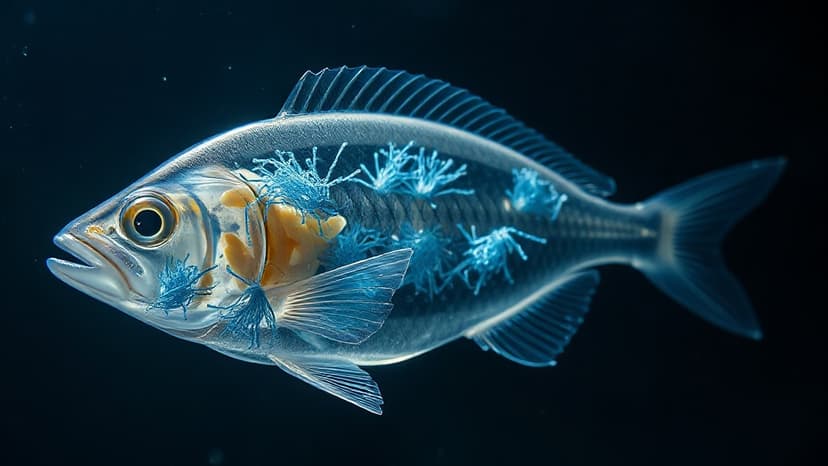
Researchers from Manipal Institute of Technology and Cochin University of Science and Technology have discovered significant microplastic contamination in widely consumed freshwater fish from coastal Karnataka. The study, published in the 'Journal of Toxicology,' analyzed rohu and pangas/basa, finding microplastics in every sample.
A total of 1,510 microplastic particles were identified across five organs, with rohu showing higher contamination levels. Predominantly, these particles were identified as blue and black fibres, with polyester and polypropylene being the dominant polymers. The presence of these plastics in muscle tissue and gonads is particularly concerning.
Microplastics can enter freshwater systems from various sources, including wastewater and agricultural runoff. Their accumulation in fish poses risks to aquatic biodiversity and potentially human health through the food chain. The researchers emphasize the urgent need for improved waste management and public awareness.


