Home / Environment / Bottled Water's Dirty Secret: Microplastic Overload
Bottled Water's Dirty Secret: Microplastic Overload
3 Feb
Summary
- Bottled water may contain microplastics that leach over time.
- Drinking bottled water could mean ingesting 90,000 microplastics annually.
- Heat accelerates microplastic and antimony release from plastic bottles.
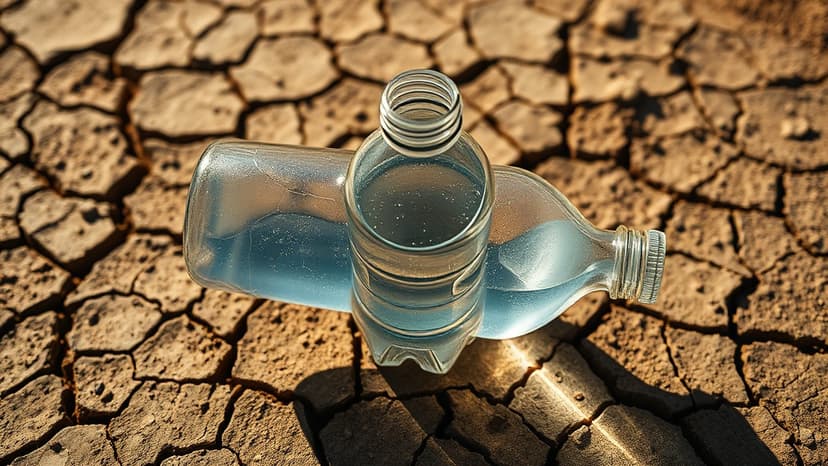
Consumers who frequently drink bottled water may be ingesting a substantial number of microplastics annually, according to a Harvard doctor-scientist. Research indicates that bottled water can leach microplastics into the liquid over time, with potential annual ingestion reaching up to 90,000 particles for heavy bottled water drinkers, compared to an estimated 4,000 for tap water consumers.
Elevated temperatures significantly exacerbate this issue. Exposure to heat above 25°C accelerates the release of microplastics from plastic bottles. Furthermore, at temperatures of 50°C and above, bottles can rapidly release antimony, a toxic heavy metal. Even brief high-temperature exposure during packaging or transportation can contaminate the water, often unnoticed by consumers.
The expert suggests that tap water, particularly when filtered using methods like reverse osmosis (RO) or charcoal filters, offers a safer alternative. These filters are effective at removing microplastics, PFAS, and heavy metals like lead, promoting cleaner and safer drinking water. Regular filter maintenance, as per manufacturer instructions, is crucial for optimal performance.