feedzop-word-mark-logo
searchLogin
Feedzop
homeFor YouIndiaIndia
You
bookmarksYour BookmarkshashtagYour Topics
Trending
Terms of UsePrivacy PolicyAboutJobsPartner With Us

© 2026 Advergame Technologies Pvt. Ltd. ("ATPL"). Gamezop ® & Quizzop ® are registered trademarks of ATPL.

Gamezop is a plug-and-play gaming platform that any app or website can integrate to bring casual gaming for its users. Gamezop also operates Quizzop, a quizzing platform, that digital products can add as a trivia section.

Over 5,000 products from more than 70 countries have integrated Gamezop and Quizzop. These include Amazon, Samsung Internet, Snap, Tata Play, AccuWeather, Paytm, Gulf News, and Branch.

Games and trivia increase user engagement significantly within all kinds of apps and websites, besides opening a new stream of advertising revenue. Gamezop and Quizzop take 30 minutes to integrate and can be used for free: both by the products integrating them and end users

Increase ad revenue and engagement on your app / website with games, quizzes, astrology, and cricket content. Visit: business.gamezop.com

Property Code: 5571

Home / Environment / Bottled Water's Dirty Secret: Microplastic Overload

Bottled Water's Dirty Secret: Microplastic Overload

3 Feb

•

Summary

  • Bottled water may contain microplastics that leach over time.
  • Drinking bottled water could mean ingesting 90,000 microplastics annually.
  • Heat accelerates microplastic and antimony release from plastic bottles.
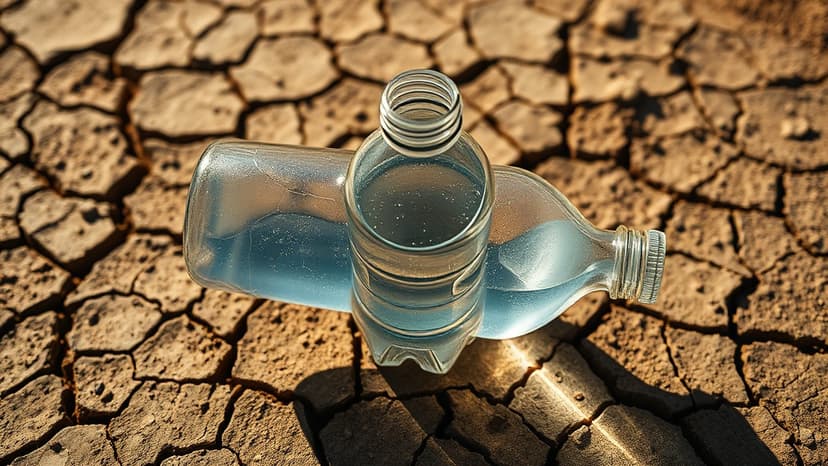
Bottled Water's Dirty Secret: Microplastic Overload

Consumers who frequently drink bottled water may be ingesting a substantial number of microplastics annually, according to a Harvard doctor-scientist. Research indicates that bottled water can leach microplastics into the liquid over time, with potential annual ingestion reaching up to 90,000 particles for heavy bottled water drinkers, compared to an estimated 4,000 for tap water consumers.

Elevated temperatures significantly exacerbate this issue. Exposure to heat above 25°C accelerates the release of microplastics from plastic bottles. Furthermore, at temperatures of 50°C and above, bottles can rapidly release antimony, a toxic heavy metal. Even brief high-temperature exposure during packaging or transportation can contaminate the water, often unnoticed by consumers.

The expert suggests that tap water, particularly when filtered using methods like reverse osmosis (RO) or charcoal filters, offers a safer alternative. These filters are effective at removing microplastics, PFAS, and heavy metals like lead, promoting cleaner and safer drinking water. Regular filter maintenance, as per manufacturer instructions, is crucial for optimal performance.

trending

Salesforce lays off 1000

trending

Dhakshineswar Suresh Davis Cup hero

trending

Haider Ali: Mangoes to UAE Star

trending

India US trade tariffs slashed

trending

Deepika Padukone wears Gaurav Gupta

trending

Herb may reverse hair loss

trending

CBSE board exams: key details

trending

Jana Nayagan movie court case

trending

Netherlands face prepared Namibia

Disclaimer: This story has been auto-aggregated and auto-summarised by a computer program. This story has not been edited or created by the Feedzop team.
Individuals drinking primarily bottled water could ingest up to 90,000 microplastic particles annually, significantly more than those consuming tap water.
Yes, heat above 25°C accelerates the release of microplastics from plastic bottles, and at 50°C and above, it can rapidly release toxic antimony.
Using filters such as reverse osmosis (RO) or charcoal filters can effectively remove microplastics, PFAS, and heavy metals from tap water.

Read more news on

Environmentside-arrow

You may also like

Rethink Your Drink: Filtered Tap Water Beats Bottled

31 Jan • 35 reads

article image

Hot Drinks Unleash Microplastic Flood!

19 Jan • 124 reads

article image

Backyard Birds Choking on Microplastics

24 Dec, 2025 • 253 reads

article image

E. coli found; Scottish Water piped contaminated water for a year

21 Dec, 2025 • 230 reads

article image

Toxic Metals Found on Beach Pellets

11 Dec, 2025 • 322 reads

article image