

Home / Environment / Mezcal Boom: Oaxaca's Forests Vanish for Agave
Mezcal Boom: Oaxaca's Forests Vanish for Agave
13 Apr
Summary
- Mezcal production surged from 1 million litres in 2010 to 11 million in 2024.
- Over 34,953 hectares of forest lost to agave plantations in Oaxaca.
- Environmental costs include soil erosion and reduced CO2 capture.
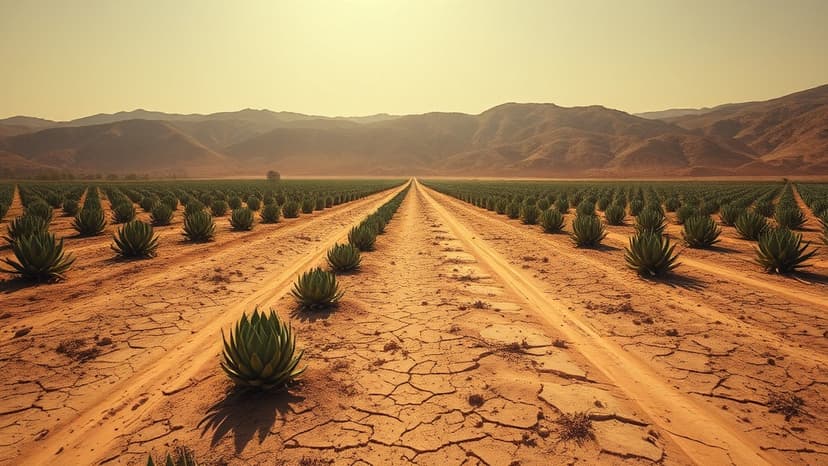
Mezcal production in Mexico has experienced a dramatic increase, soaring from approximately 1 million litres in 2010 to more than 11 million by 2024. This growth, primarily centered in Oaxaca, has seen the spirit gain international popularity, with nearly 75% of exports destined for the United States. However, this expansion has led to significant environmental consequences.
Over the past 27 years, more than 34,953 hectares of forests in key mezcal-producing regions of Oaxaca have been converted into agave plantations. This deforestation accelerates soil erosion, diminishes the forests' ability to absorb carbon dioxide by an estimated 4 million tonnes annually, and hinders groundwater recharge. The production process itself is water-intensive, requiring at least 10 litres per litre of mezcal, and generates waste that can contaminate rivers.
While the mezcal boom offers economic opportunities in a region with high poverty rates, it has placed a strain on natural resources. Water scarcity is a growing concern, exacerbated by droughts. Some major companies are implementing sustainability initiatives, such as tree planting and waste reuse, but many local producers struggle to cover operational costs due to third-party contracts.
Efforts are underway to promote sustainable mezcal production. Women-led collectives, like the Guardians of Mezcal, are focusing on practices such as using only fallen trees for firewood and planting agave alongside other crops. These initiatives aim to balance the economic benefits of mezcal with the preservation of Oaxaca's environment and traditional way of life.
