Home / Environment / Mexico's Jaguar Comeback: Population Grows 30% in 15 Years
Mexico's Jaguar Comeback: Population Grows 30% in 15 Years
30 Sep, 2025
Summary
- Mexico's jaguar population has grown to 5,326 animals, up 30% since 2010
- Largest mammal survey ever conducted in Mexico, covering 414,000 hectares
- Healthy jaguar populations indicate thriving ecosystems and boost ecotourism
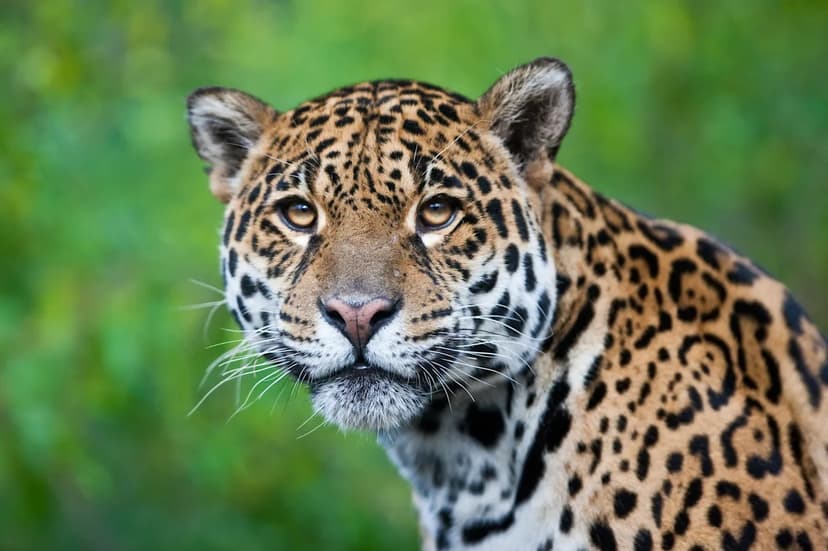
According to the latest census, Mexico's jaguar population has grown to 5,326 animals, a remarkable 30% increase since 2010. This positive news comes from the largest mammal survey ever conducted in the country, which involved over 920 motion-triggered cameras across 15 Mexican states and the participation of dozens of scientists and local community members.
Just 15 years ago, researchers feared Mexico had lost most of its jaguars, with the population potentially dropping to around 1,000 due to hunting, habitat loss, and conflicts with ranchers. However, the first official count in 2010 totaled 4,100 jaguars, and the latest numbers show an even stronger recovery.
The Yucatán peninsula now hosts the most jaguars at 1,699, while the south Pacific region has 1,541. Other areas like the northeast, central, north Pacific, and central Pacific coast also support significant jaguar populations. This success is attributed to the establishment of wildlife reserves, conservation efforts to reduce conflicts with livestock, and public education campaigns that have made the jaguar one of Mexico's most recognized animals.
Healthy jaguar populations indicate thriving ecosystems that support clean water, diverse plant life, and balanced food chains. These ecosystems also provide natural pest control for farms and help regulate local climates. Additionally, the jaguar's comeback boosts ecotourism, creating jobs and income for rural communities. Conservation groups are now hopeful that jaguars can be removed from Mexico's endangered species list within the next 15 years.


