
Home / Environment / Mexico City Sinking: NASA Sees Crisis From Space
Mexico City Sinking: NASA Sees Crisis From Space
1 May
Summary
- Mexico City sinks nearly 10 inches annually, NASA satellite data reveals.
- Groundwater depletion and urban growth cause rapid land subsidence.
- Subsided land damages infrastructure, exacerbates chronic water crisis.
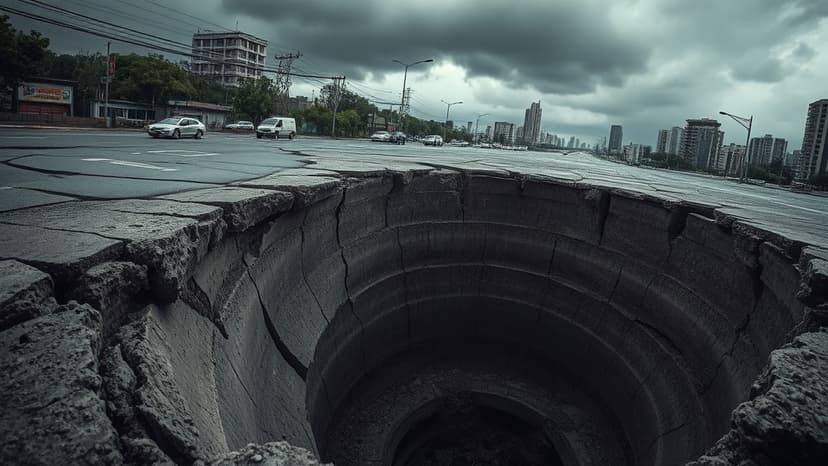
Mexico City is rapidly sinking, with new satellite data from NASA indicating an annual subsidence rate of nearly 10 inches. This makes it one of the world's fastest-subsiding major cities. The metropolis, built on an ancient lake bed, experiences severe land sinking due to extensive groundwater pumping and urban development, which has depleted the underlying aquifer over the past century.
This ongoing subsidence has tangible impacts, visibly tilting historic buildings and damaging critical infrastructure. Systems such as the subway, drainage, and water supply are affected, and the sinking land exacerbates a chronic water crisis. NASA's NISAR satellite is now providing unprecedented detail on these changes, enabling scientists to better document and understand the full magnitude of the problem.
Scientists hope to refine measurements to a building-by-building basis and apply this technology globally to track various Earth surface changes. For Mexico City, this advanced monitoring is crucial for planning mitigation efforts. While the government has historically addressed some issues, increased funding for research follows recent water crisis flare-ups, highlighting the urgent need for a comprehensive understanding to manage the situation long-term.
